Stefan Gonzales + Mana Mehrabian
MAY 14-16, 2026
CHELSEA INDUSTRIAL, 535 W 28th St
NEW YORK CITY
In photo media and installation, Mana Mehrabian and Stefan Gonzales recollect and document personal and cultural histories. Mehrabian, an Iranian immigrant living in Eastern Washington, explores themes of identity, home, and memory through the lens of the immigrant experience. Gonzales, a non-binary Indigenous artist, uses photography, performance, and sculpture to bring to attention the origin story of materials that shape our everyday lives. With deceptively beautiful pieces, these artists provoke difficult reflection on how documentation controls history and imagery.
View Available Work
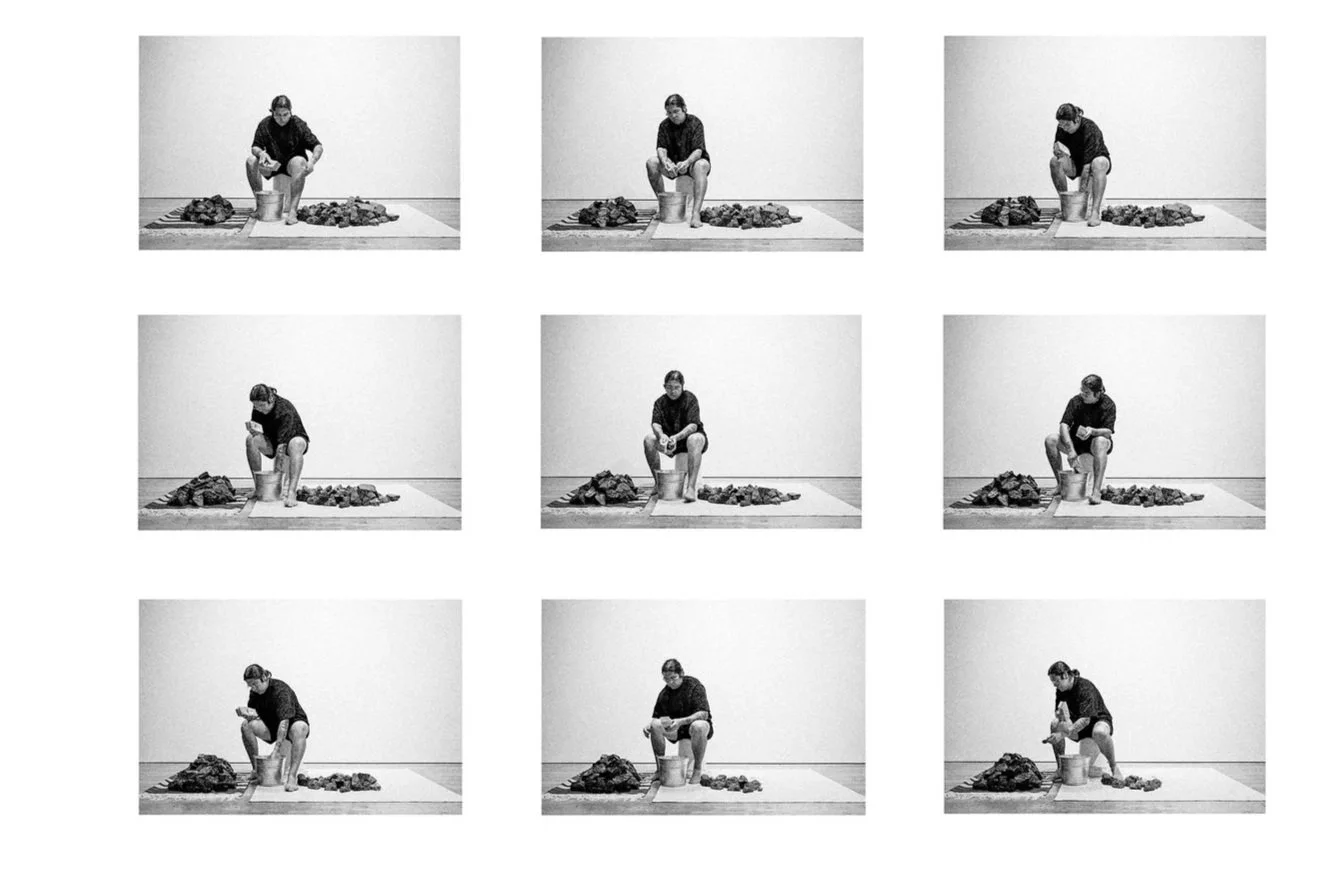
Stefan Gonzales
Stefan Gonzales is an Indigenous, nonbinary artist, curator, and arts educator based in Seattle. Through photography, video, sculpture, and performance, their work emphasizes the need to be more mindful of the materials and resources that shape our everyday lives. Their work often incorporates construction materials — such as stones, dirt, lumber, and, recently, rock salt — that are typically considered “raw” athough they have already been extracted and refined. Their photos and installations draw attention to the mining, transportation, and distribution systems that involve the land and its people. Their work narrates the ongoing story of the land and the persistent struggles for safety, health, and sovereignty amongst all Indigenous peoples.
Gonzales is an adjunct professor at the University of Washington and Cornish College of the Arts. They received a BFA from Cornish in 2016 and MFA from the University of Washington in 2020.
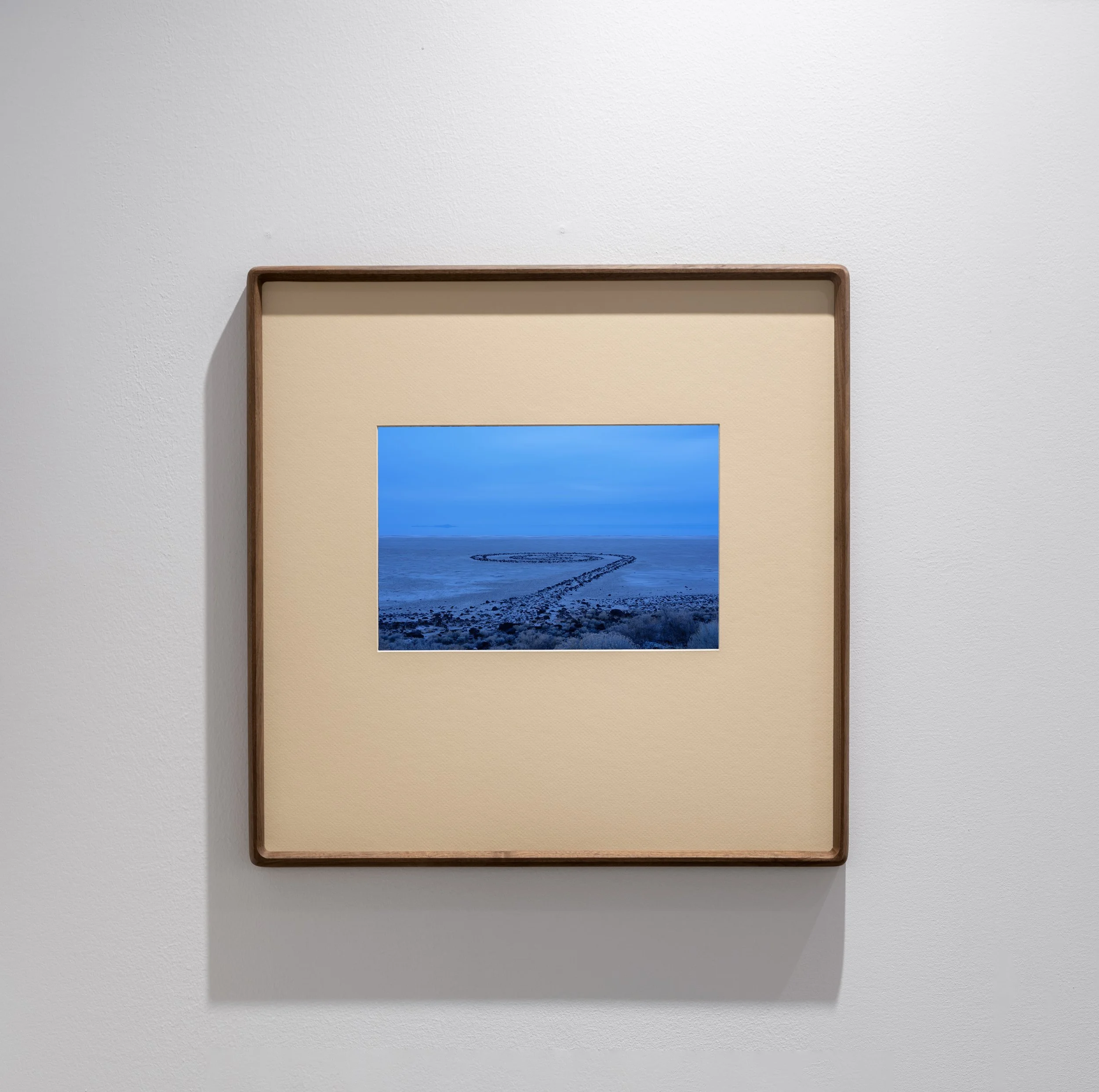
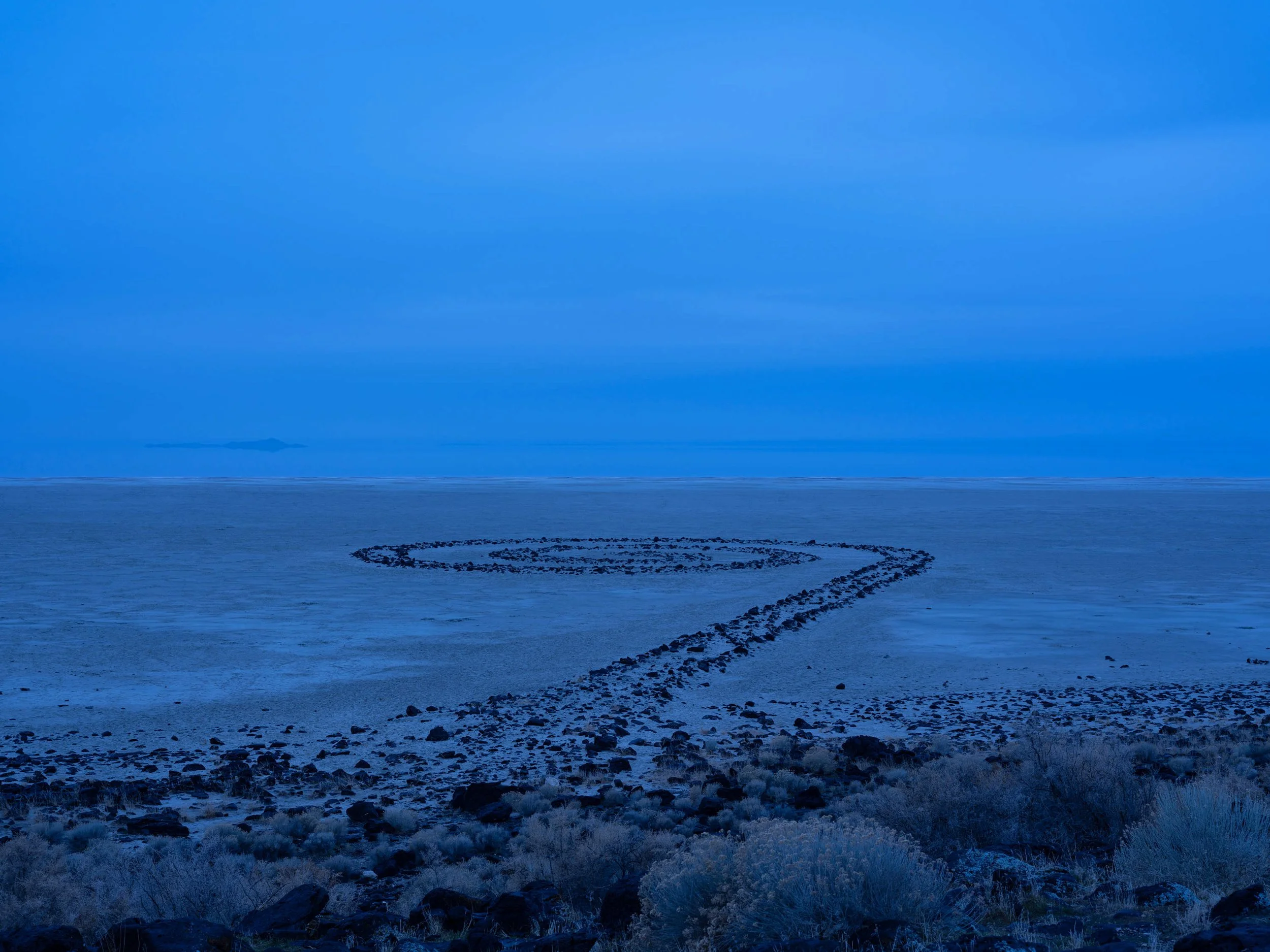
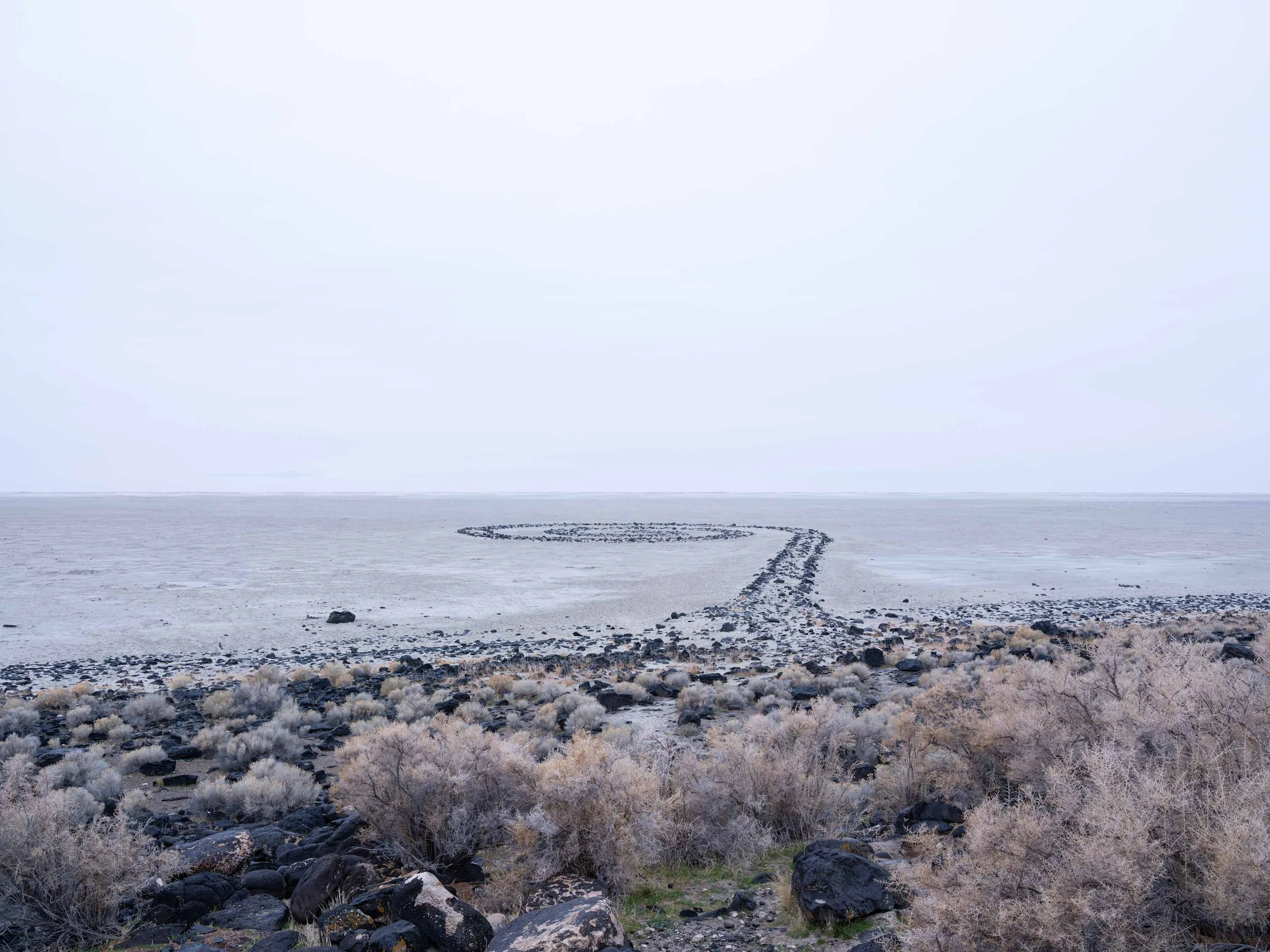
Jetty, Stefan Gonzales
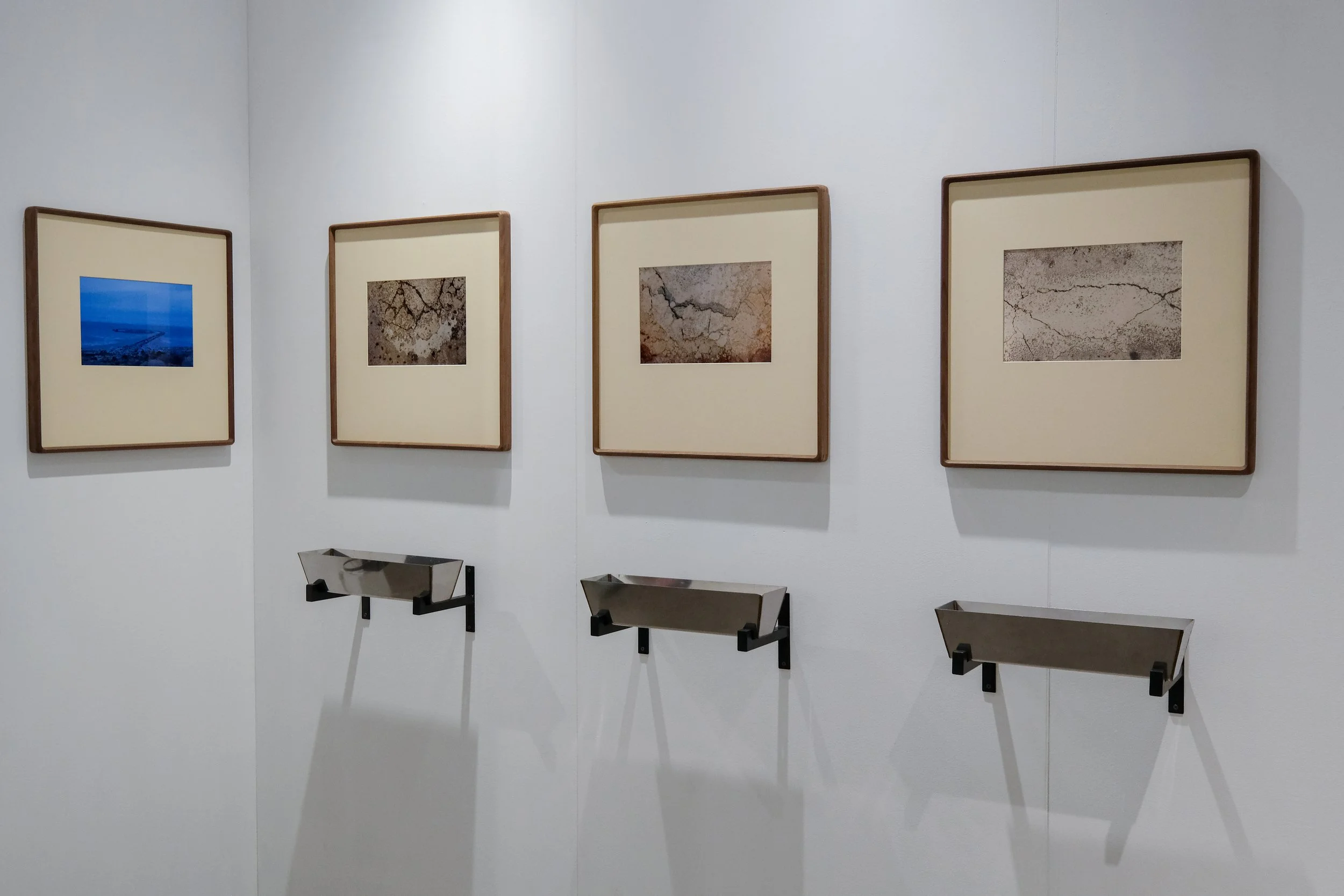
The following pair of images documents Gonzales’s visit to Robert Smithson’s “Spiral Jetty” (1970), a 1,500-foot-long formation in the Great Salt Lake made from over 6,000 tons of displaced dirt and black basalt rocks. The work, alongside other touchstones of land art like Michael Heizer’s Double Negative (1969), has what Gonzales calls a remarkable “mythological imprint” that obscures the history and preexisting significance of the site. Over the last several years, Gonzales’s practice has focused on decolonizing and feminizing the aesthetics of 1960s–70s land art, which is strongly associated “heroic” masculinity and rugged individualism.
“They were talking about big, open, free geologic locations,” Gonzales says, “but what about the land that Spiral Jetty sits on? Who occupied the land first? That land had not really been ‘empty’ in the past.”
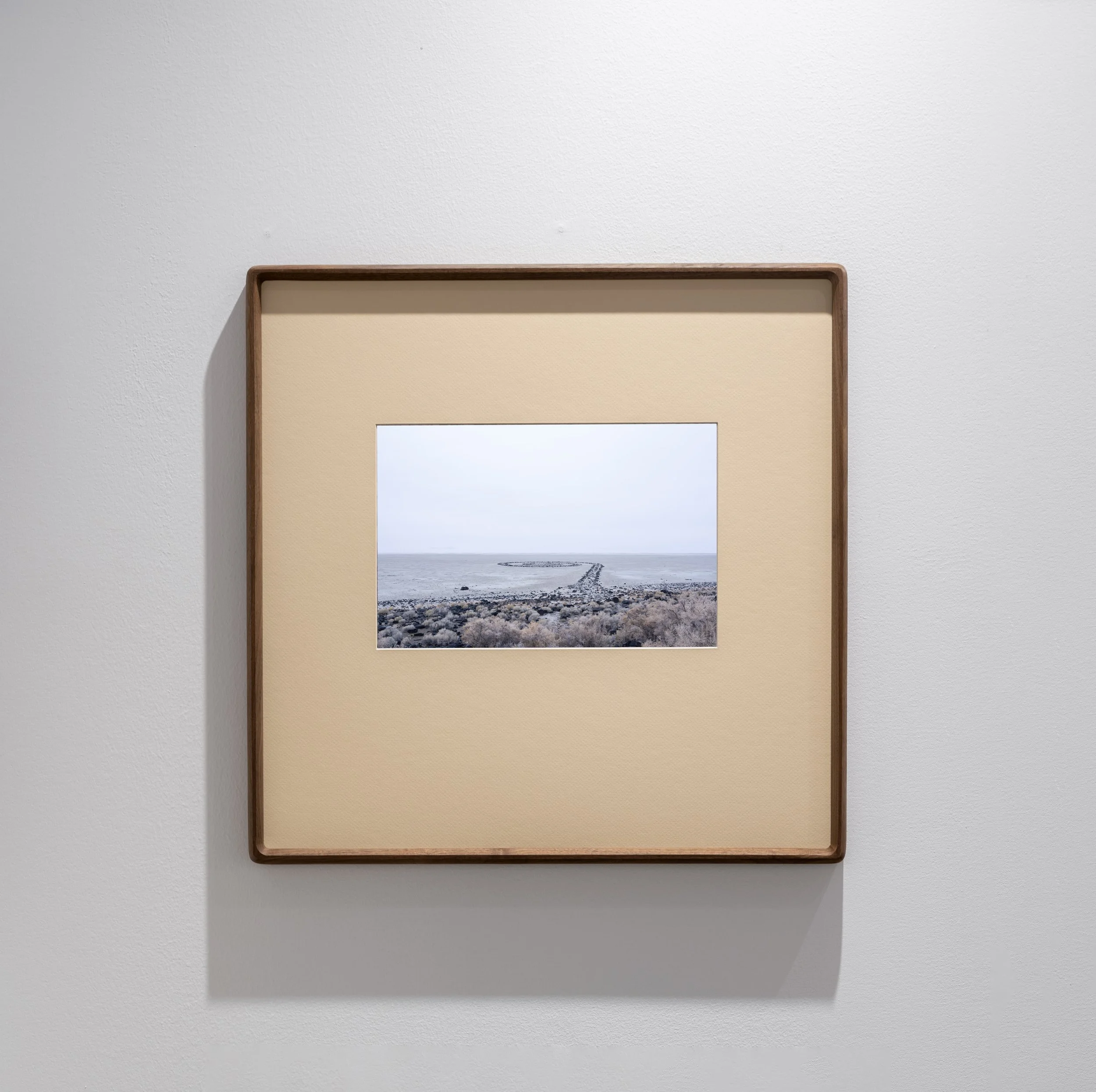
Salt Canyons, Stefan Gonzales
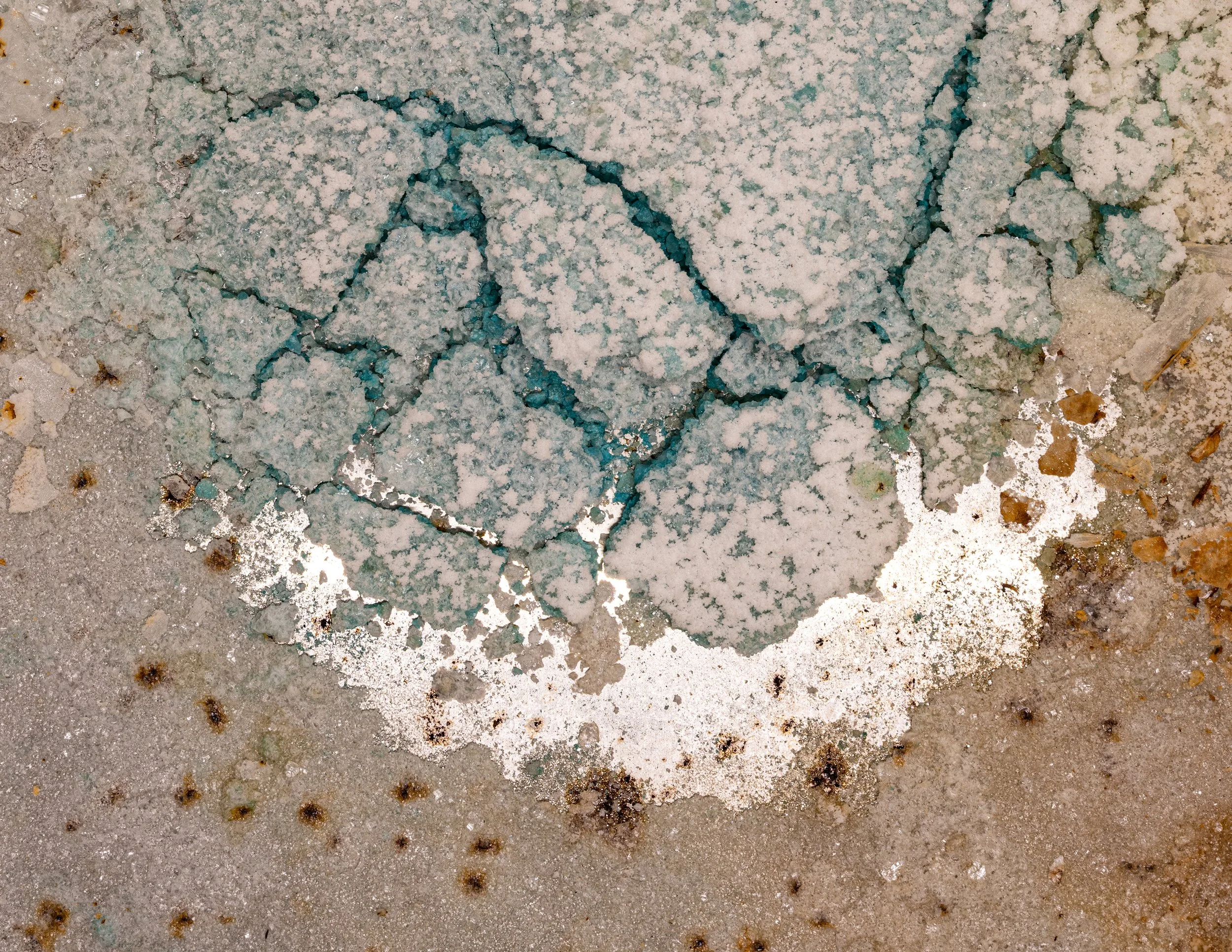
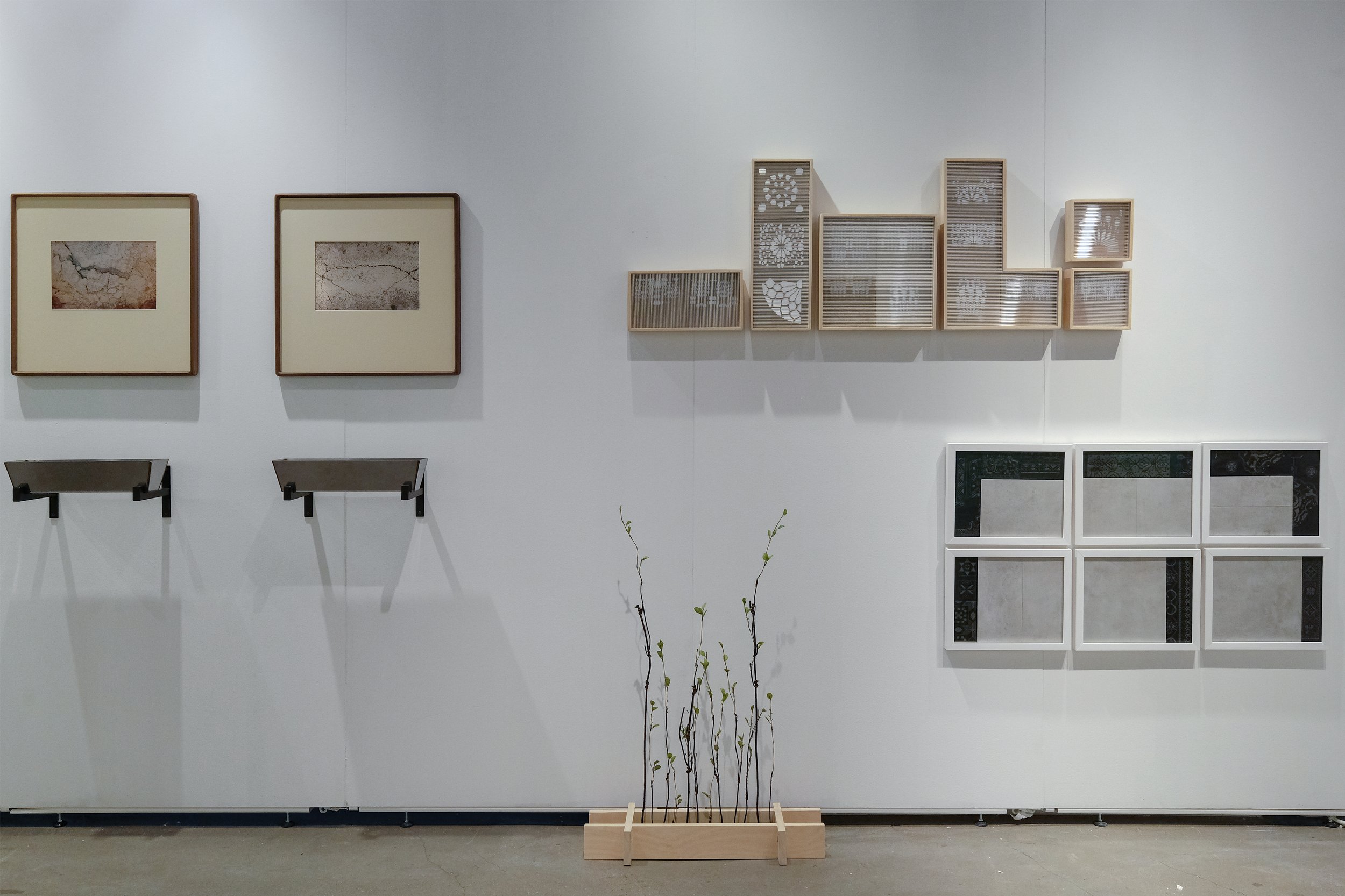
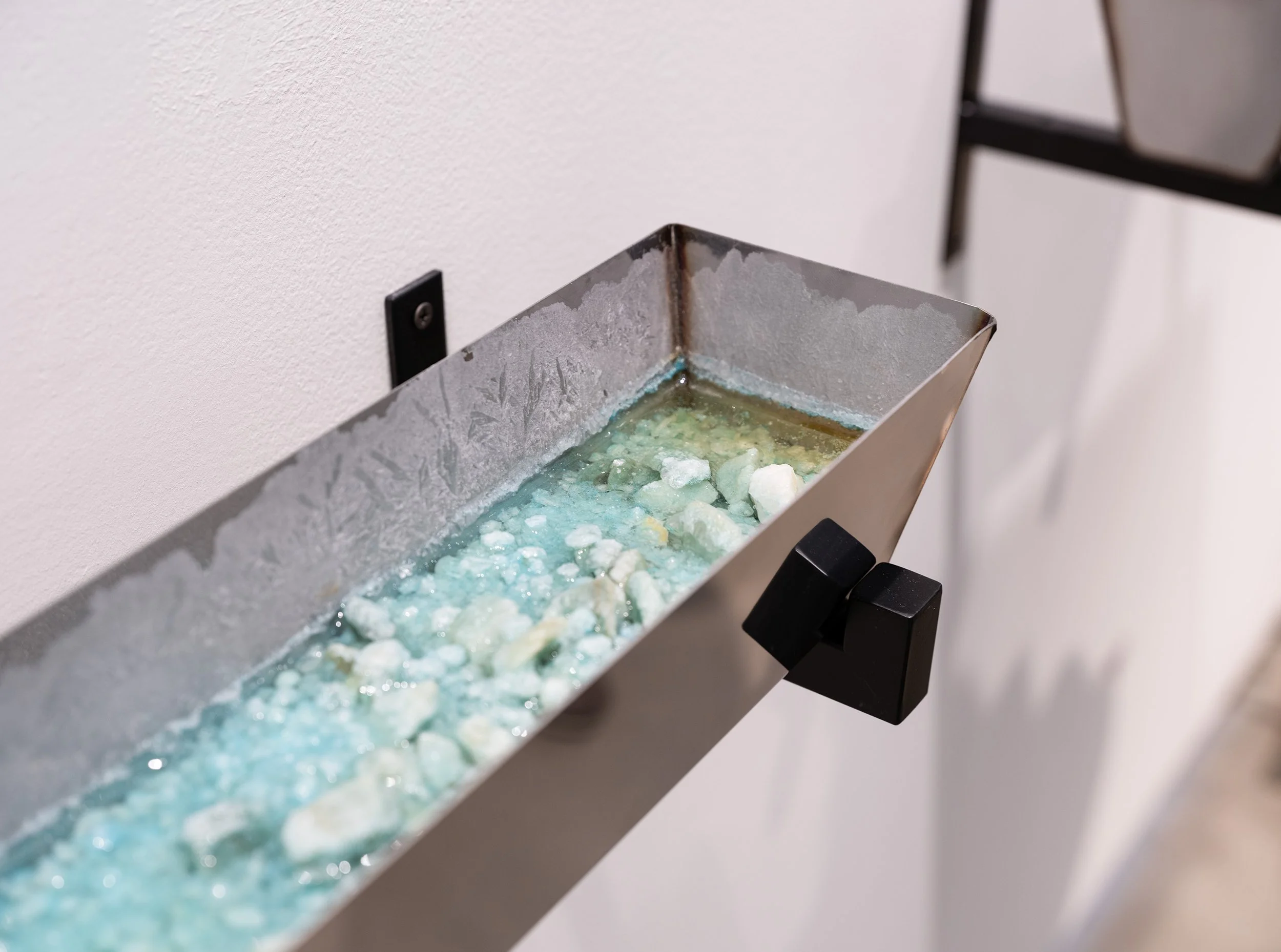
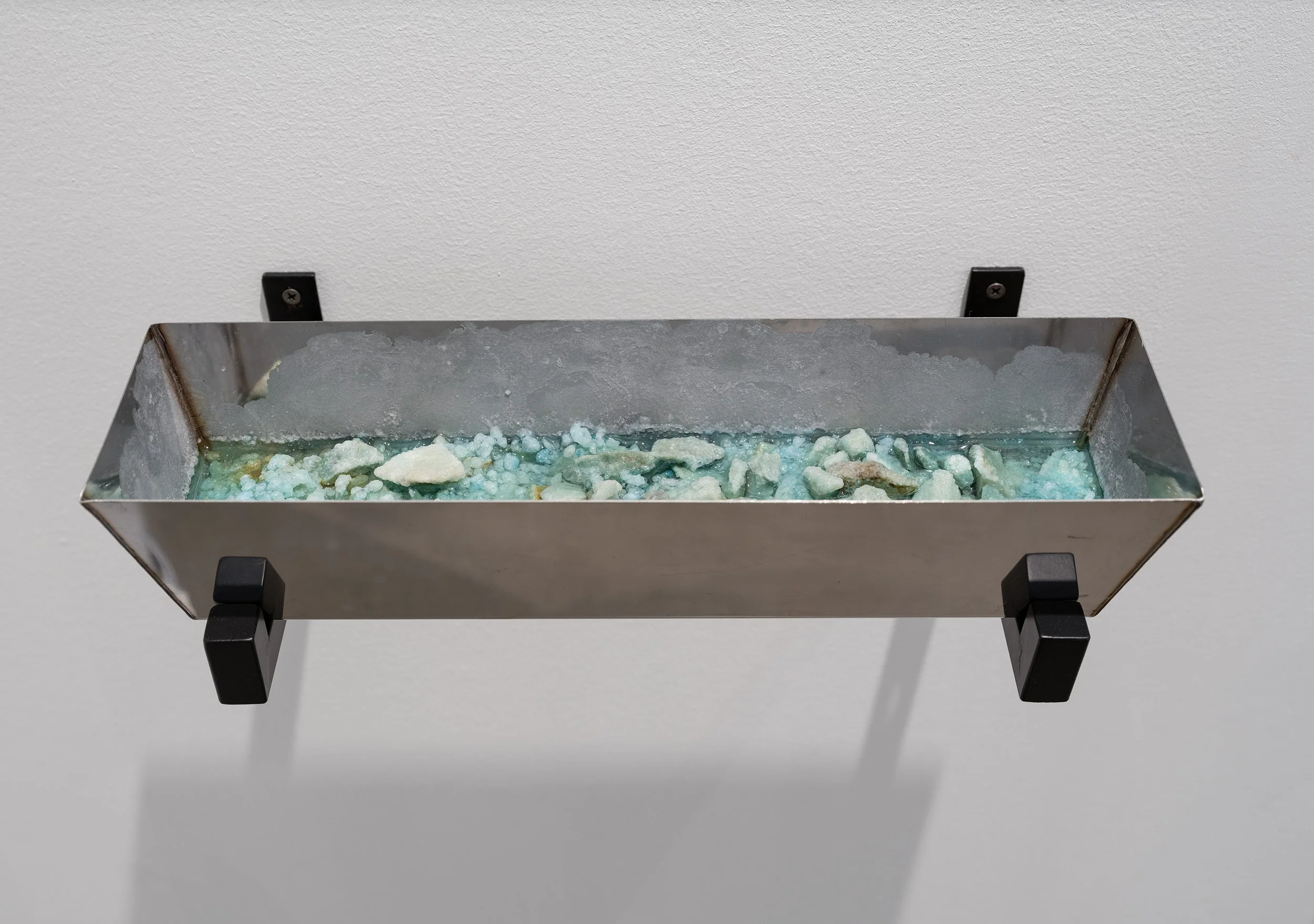
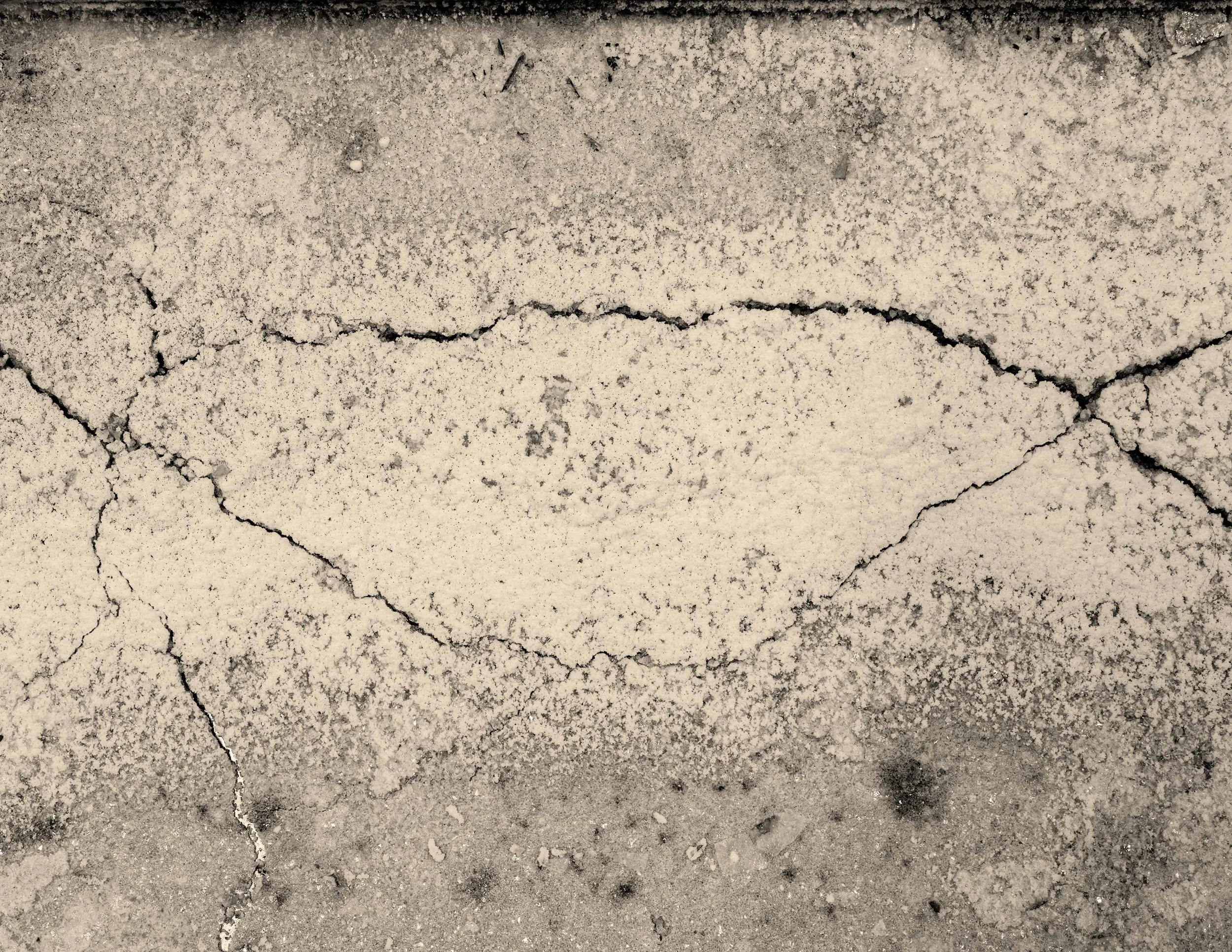
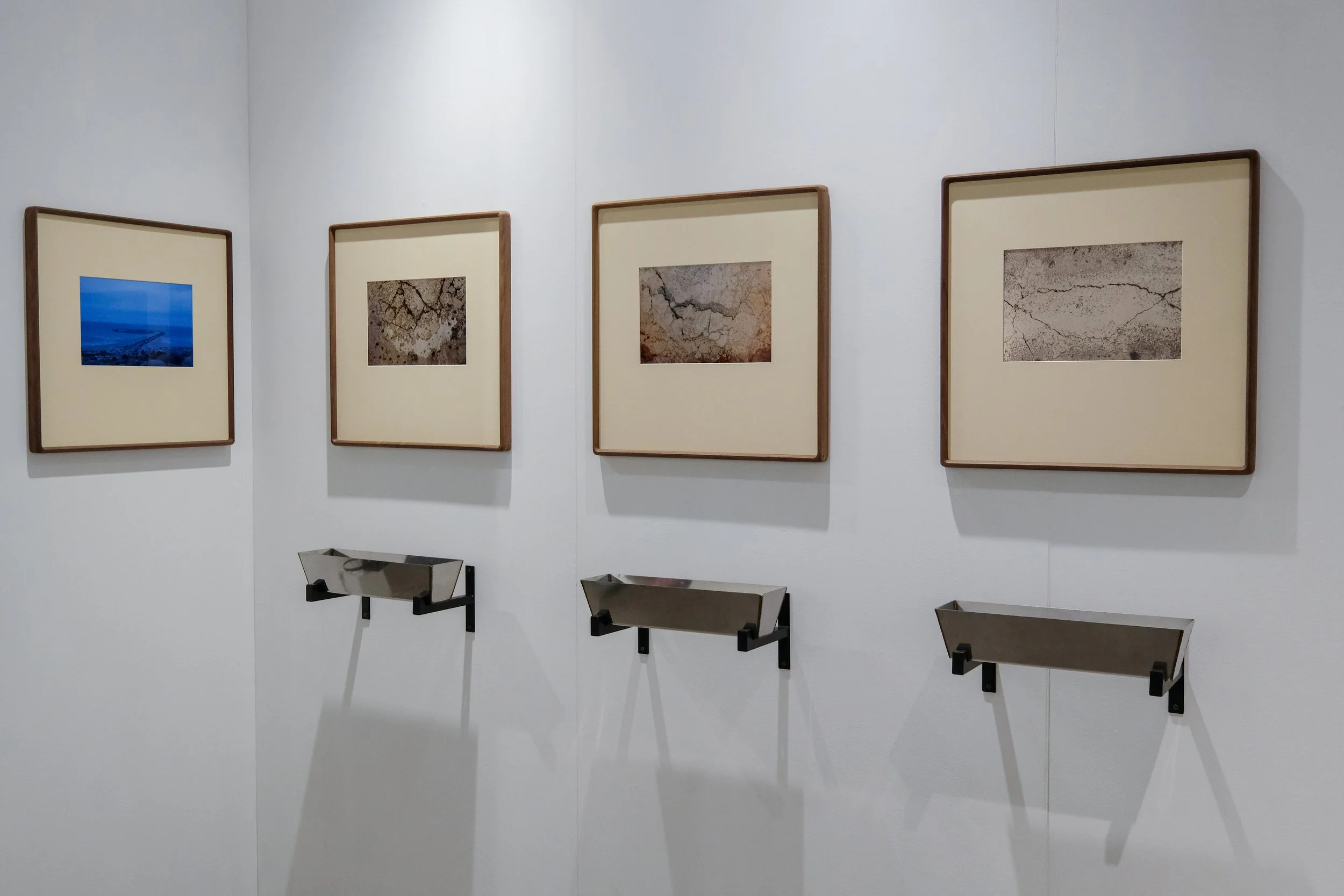
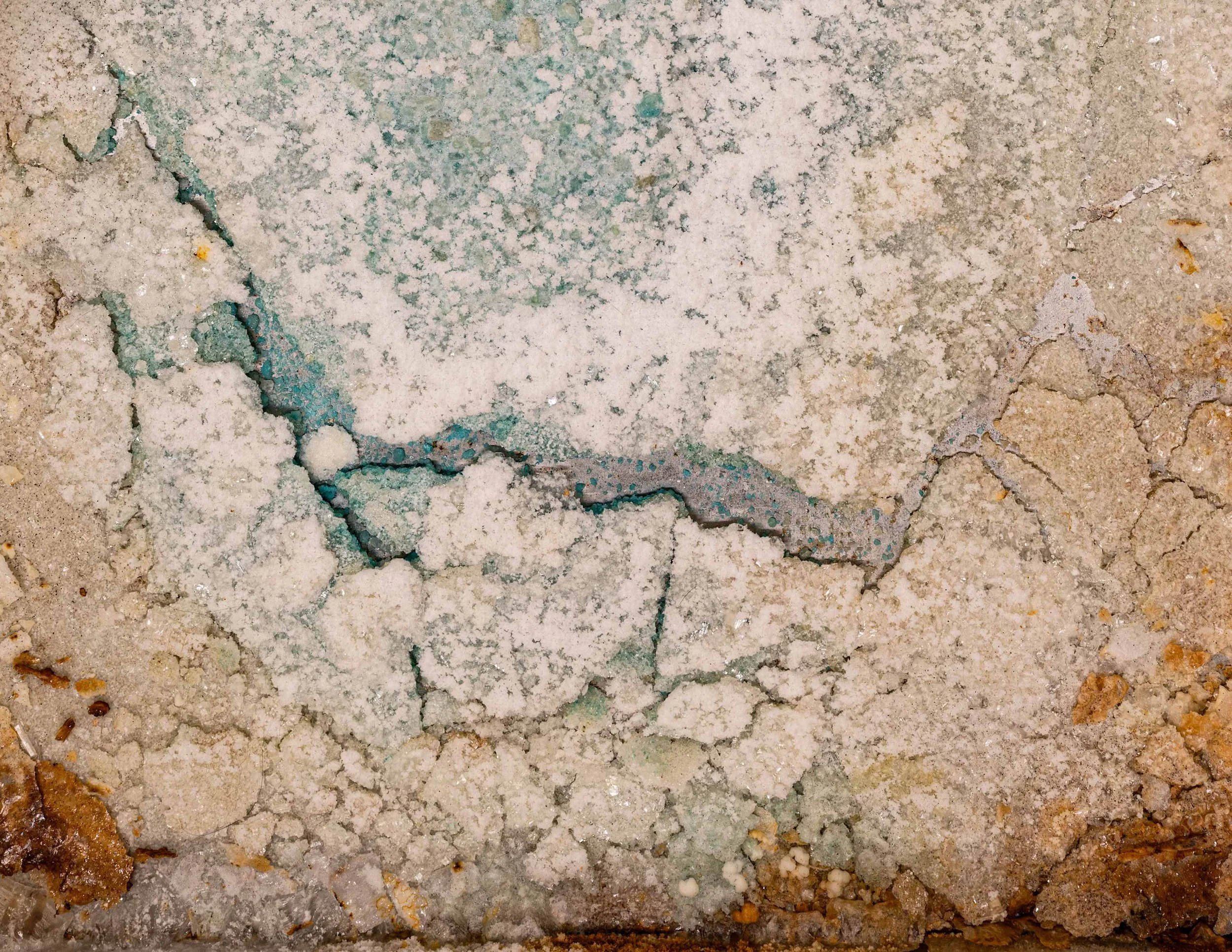
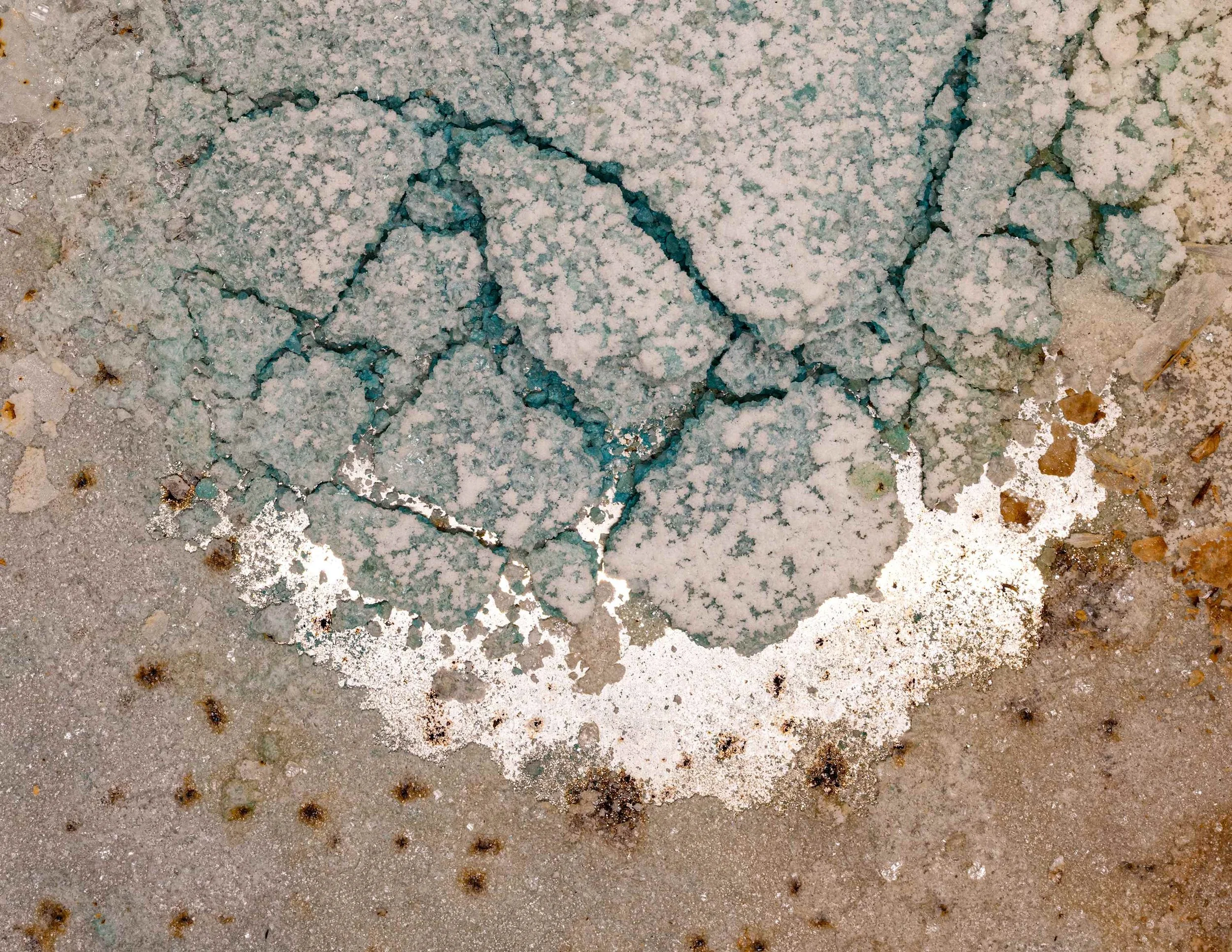
For the fair, Gonzales prepared an installation of rock salt that changed over the week. Each framed image documents a similar, larger salt melt developed at Specialist Gallery, Seattle. Gonzales references the materials — salt, rock salt — and imagery of Robert Smithon.
Mana Mehrabian
Mana Mehrabian is an interdisciplinary artist born and raised in Tehran, Iran, and currently based in eastern Washington State. Her work explores themes of perception, identity, home, memory, and the body through the lens of the immigrant experience. She examines how images mediate these themes, offering viewers a space to contextualize the work within the larger backdrop of today’s social and political realities.
Mehrabian works across various media, centering on photography, video, sculpture, and installation. Her work has been exhibited at the Vestibule (Seattle, WA), Paragon Arts Gallery (Portland, OR), and the Jordan Schnitzer Museum of Art WSU (Pullman, WA), among other venues. She is a recipient of the 2025 Artist Trust Fellowship and the 2022 Artist Trust Grants for Artists’ Progress (GAP). She received her MFA from Washington State University, where she currently works as an instructor
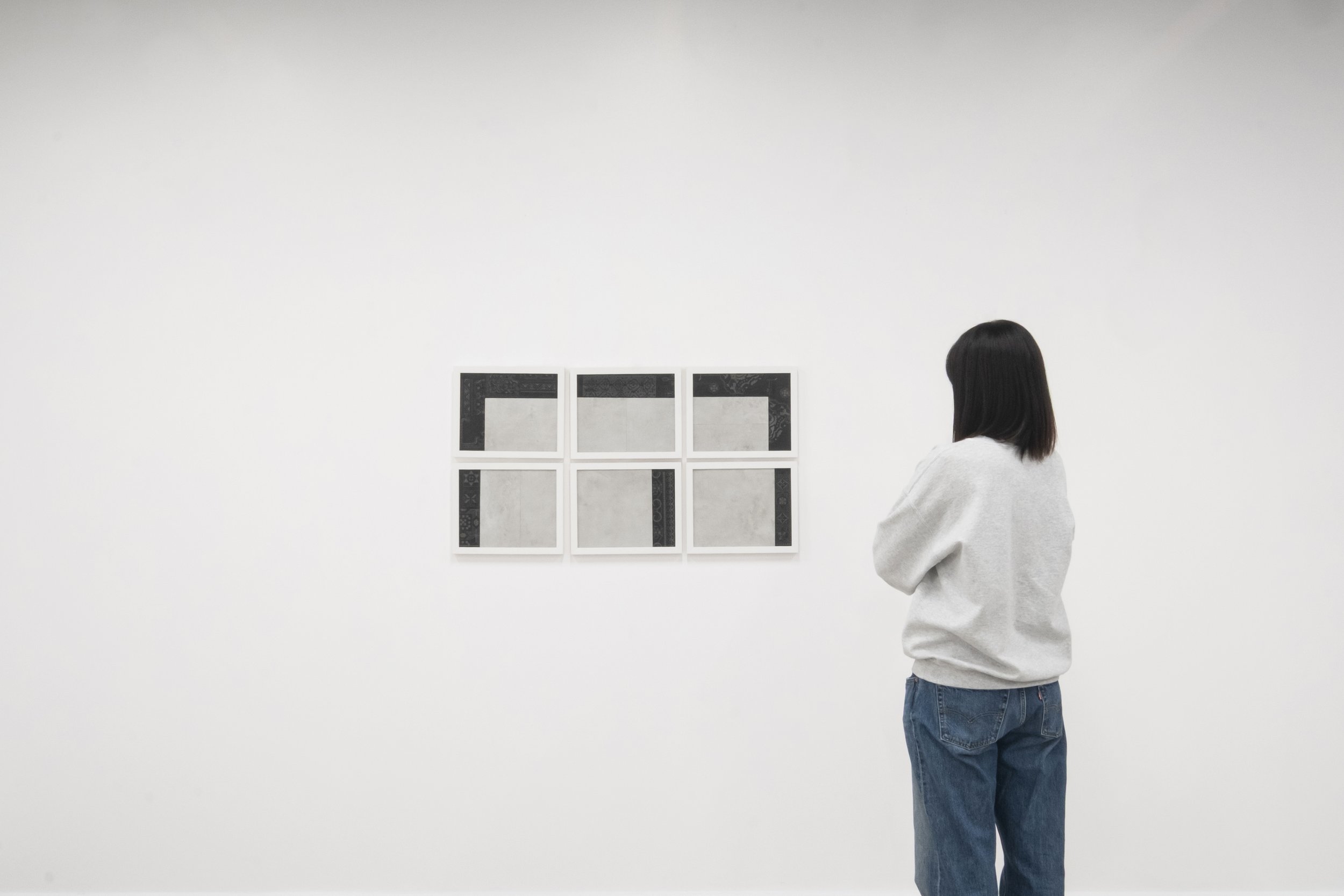
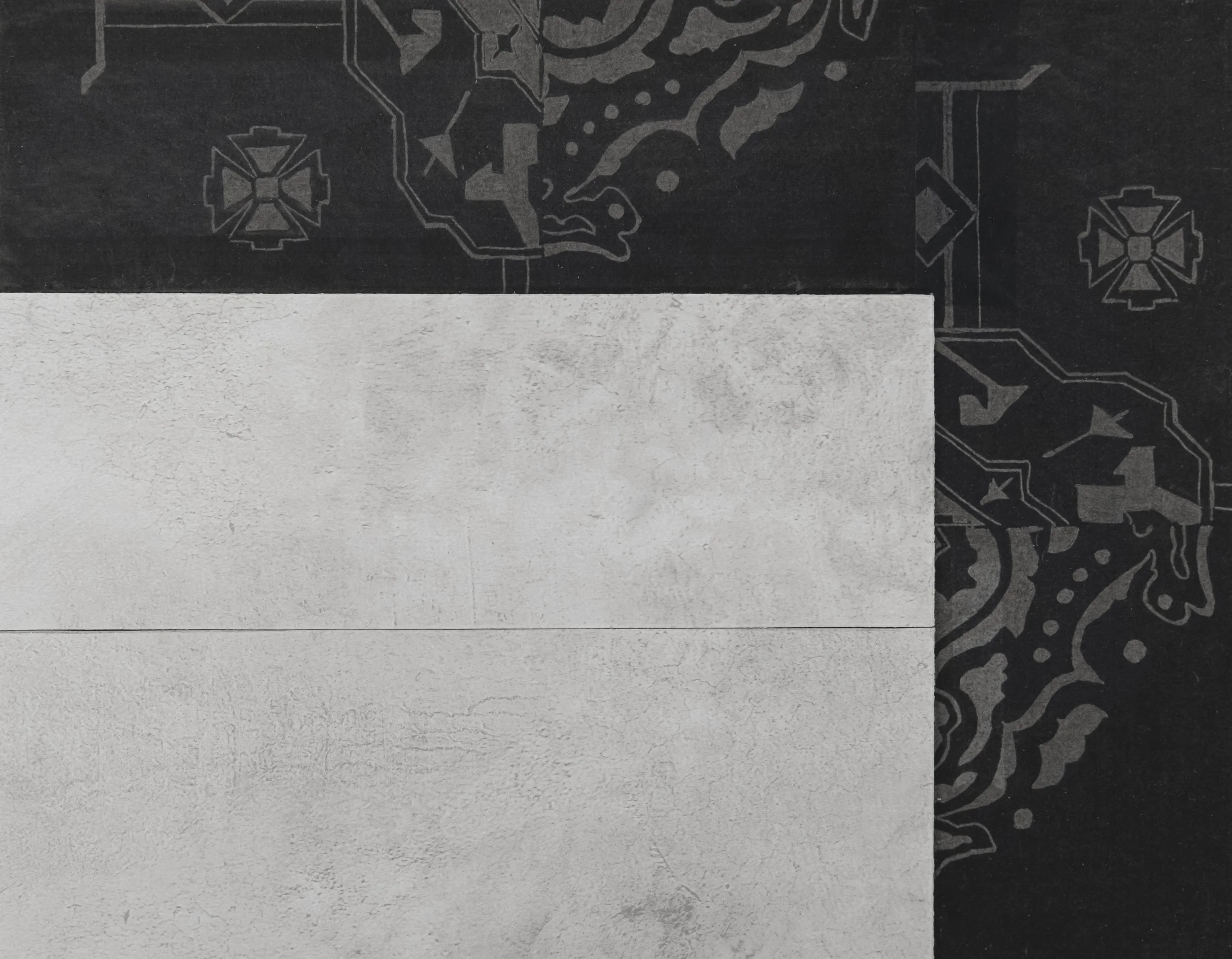
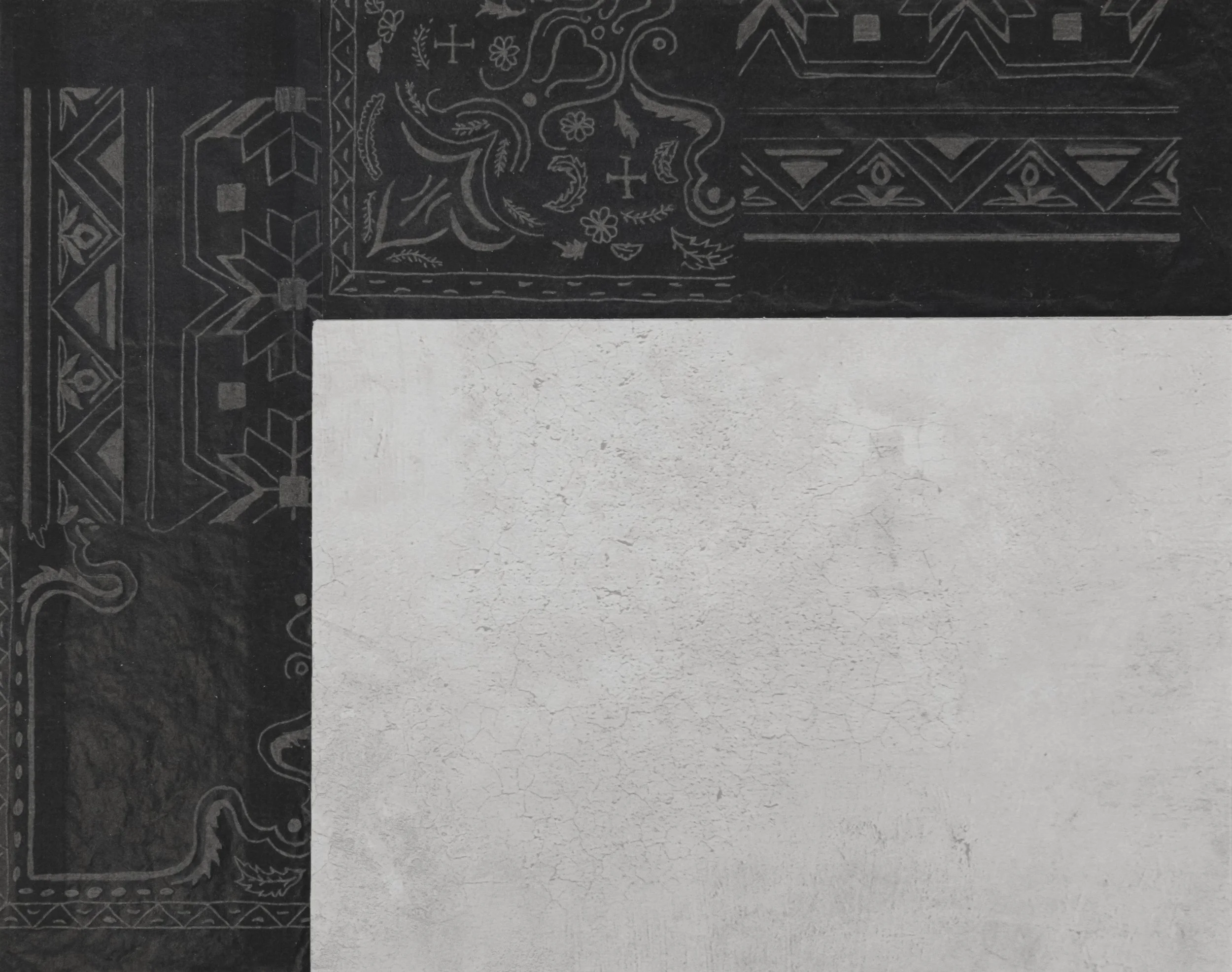
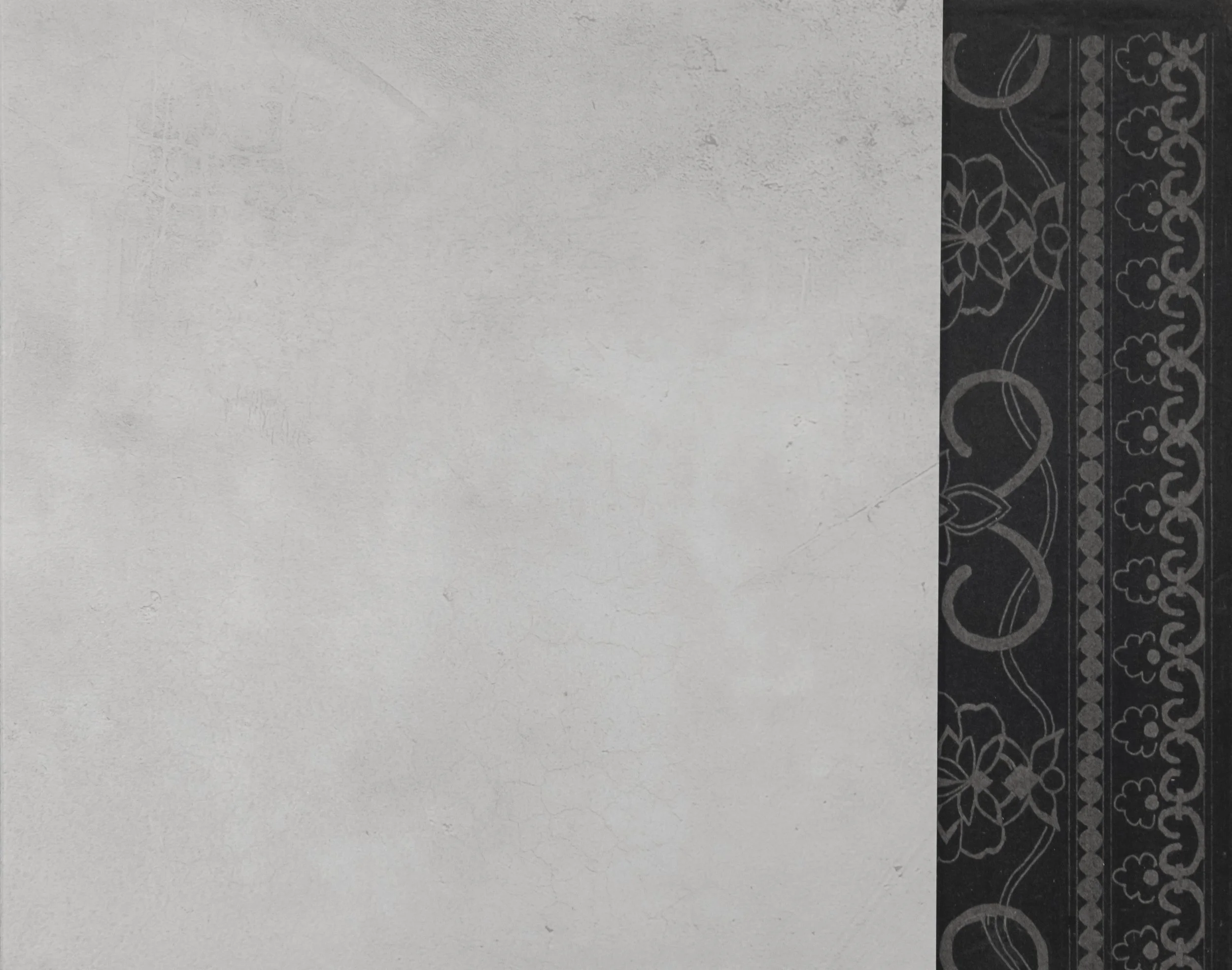
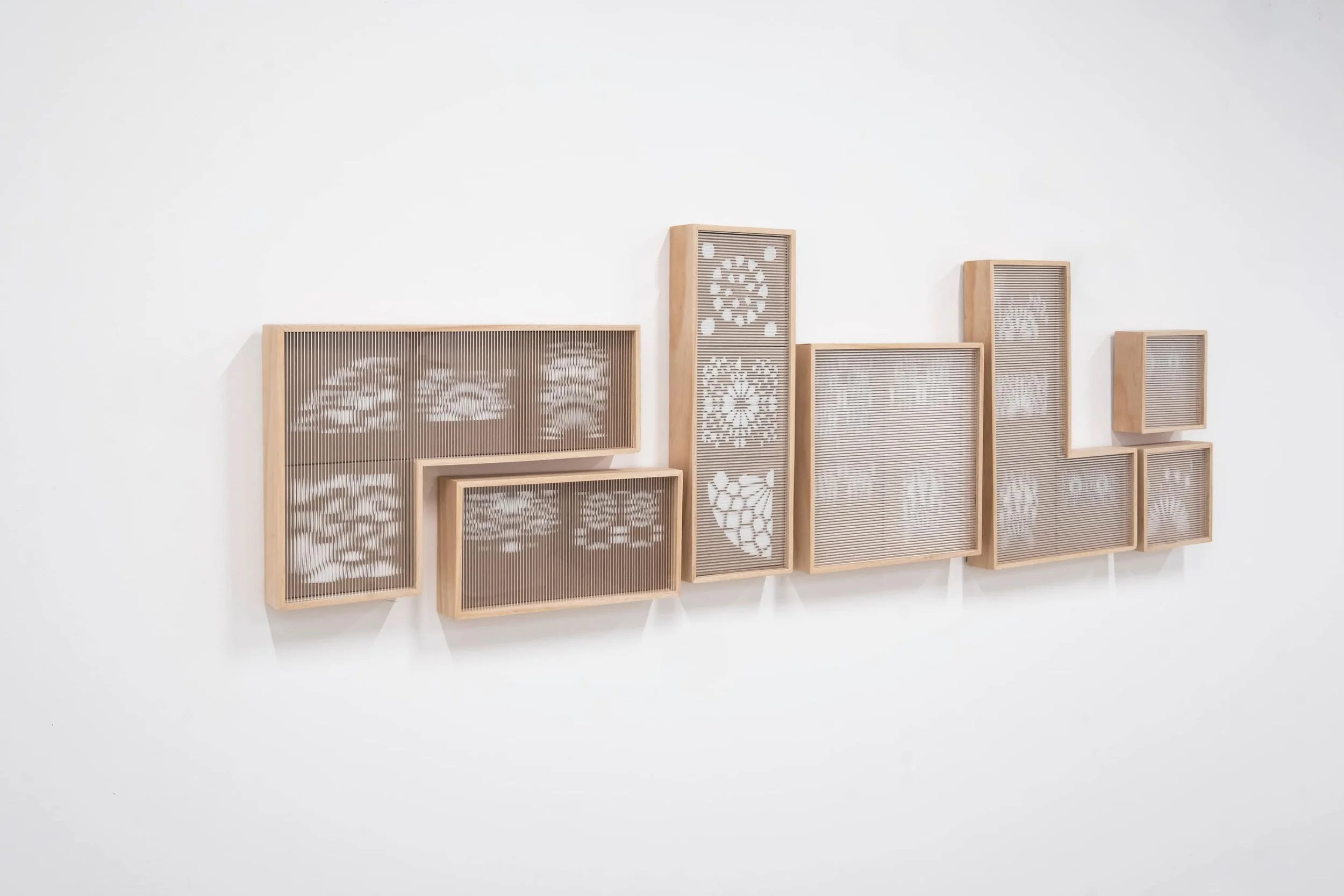
Almost There, Mana Mehrabian
"Almost There" borrows from designs found in a Persian carpet coloring book. These patterns are traced onto carbon paper, a tool traditionally used to create copies through document transfer. The work is overlaid with vinyl flooring, leaving an incomplete trace of a carpet on the surface. These works embrace materials and process as references, creating a space for reflection on the complexities of the present, while forming an ode to homes shaped by mementos and memories carried across borders.
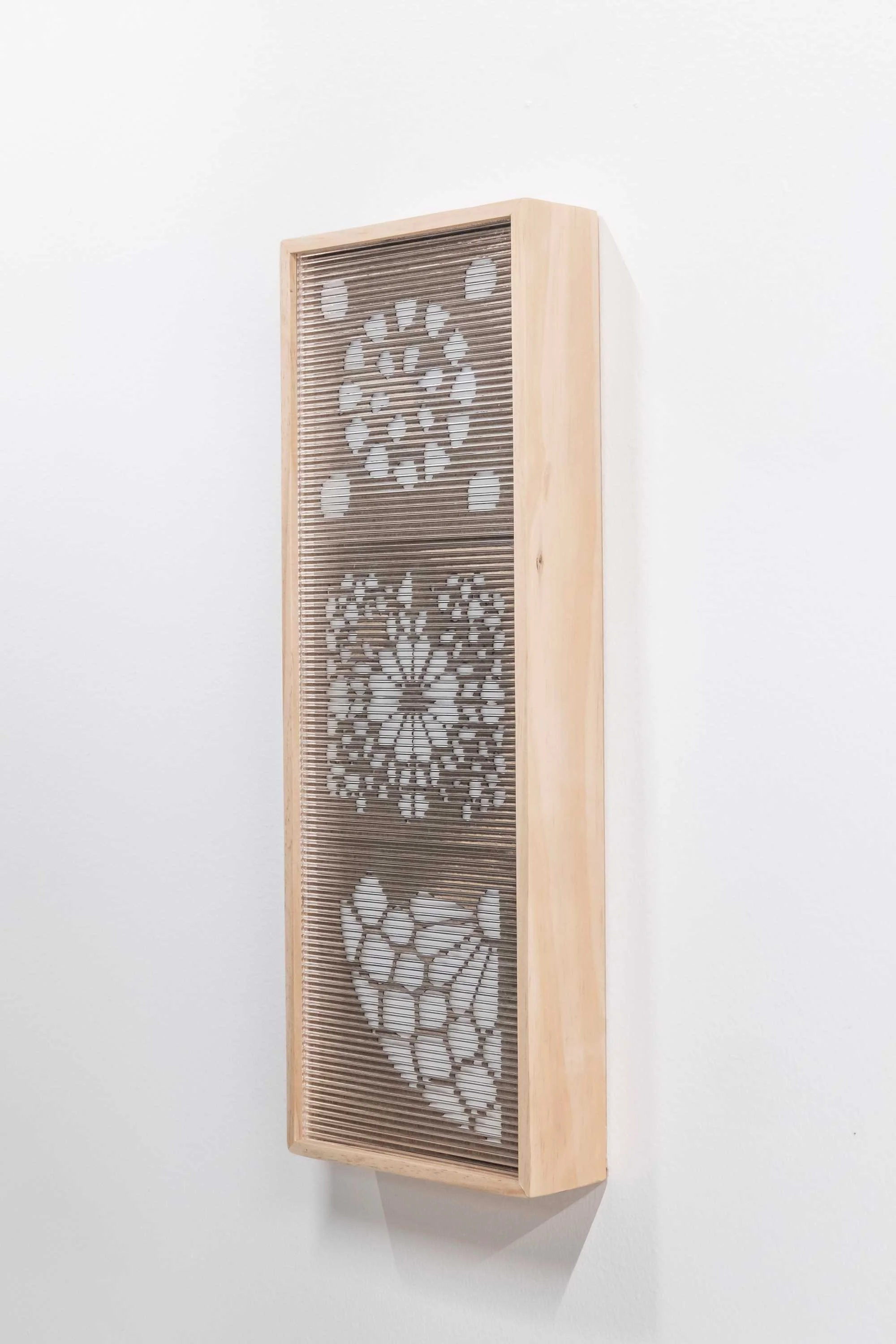
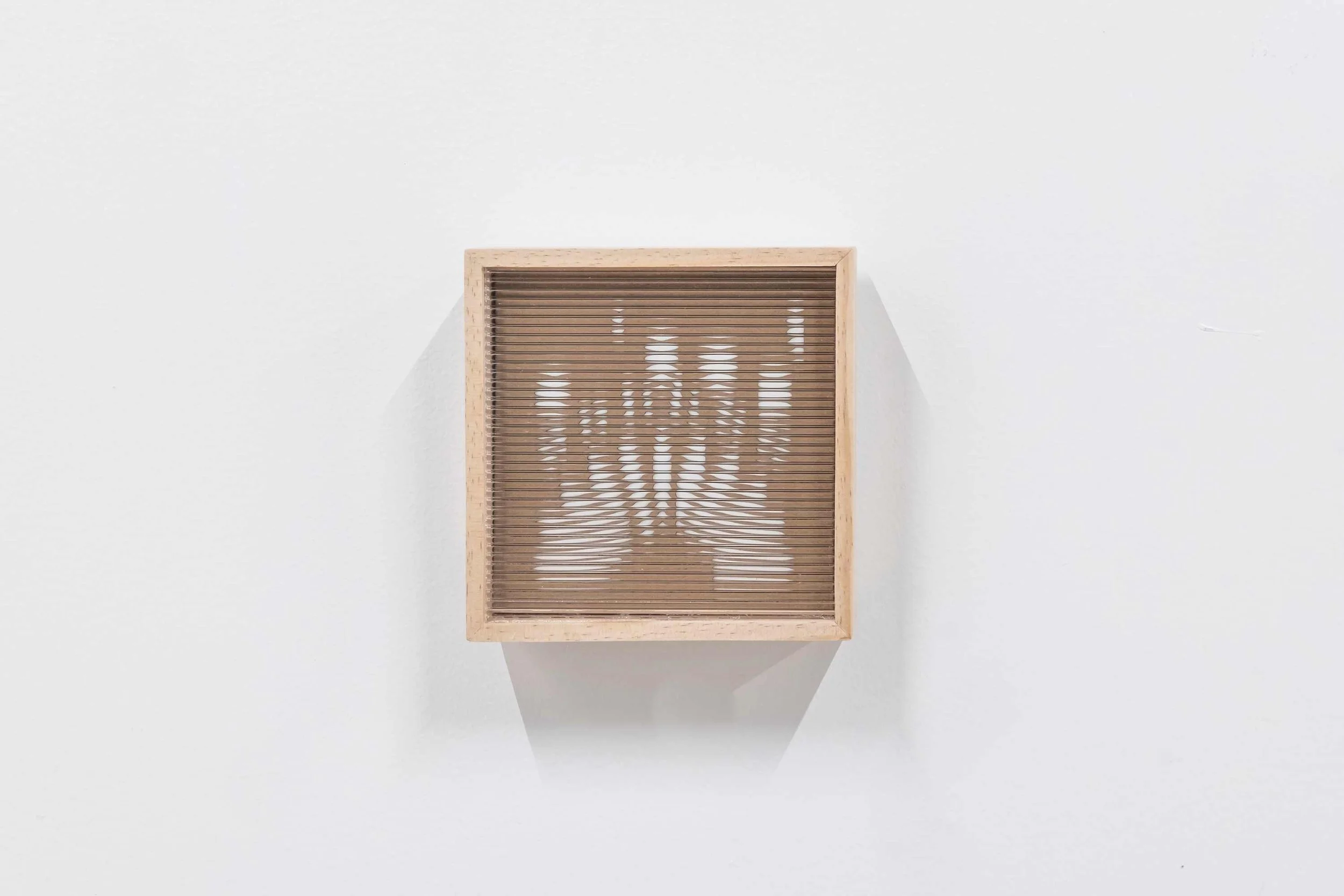
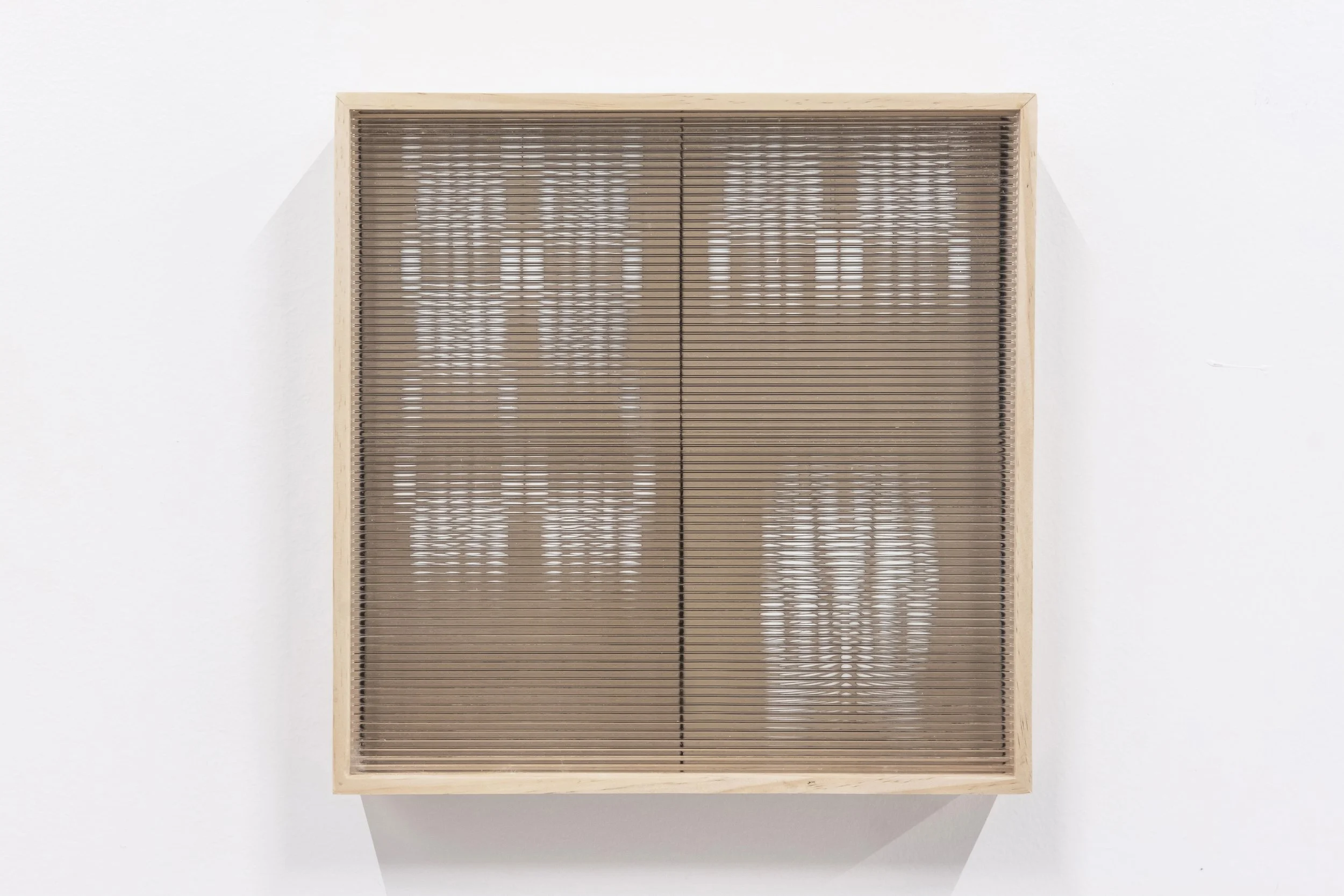
Layered View, Mana Mehrabian
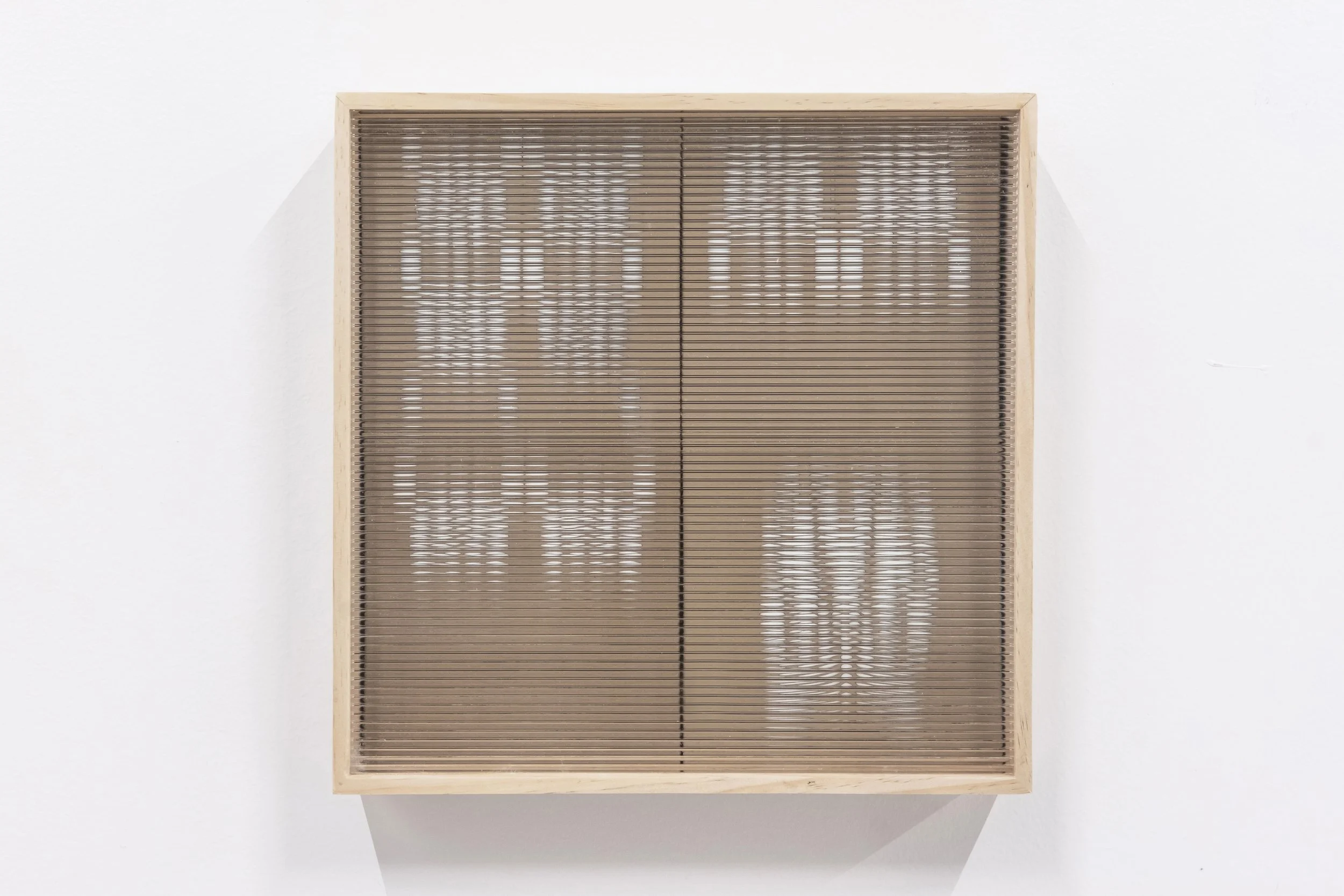
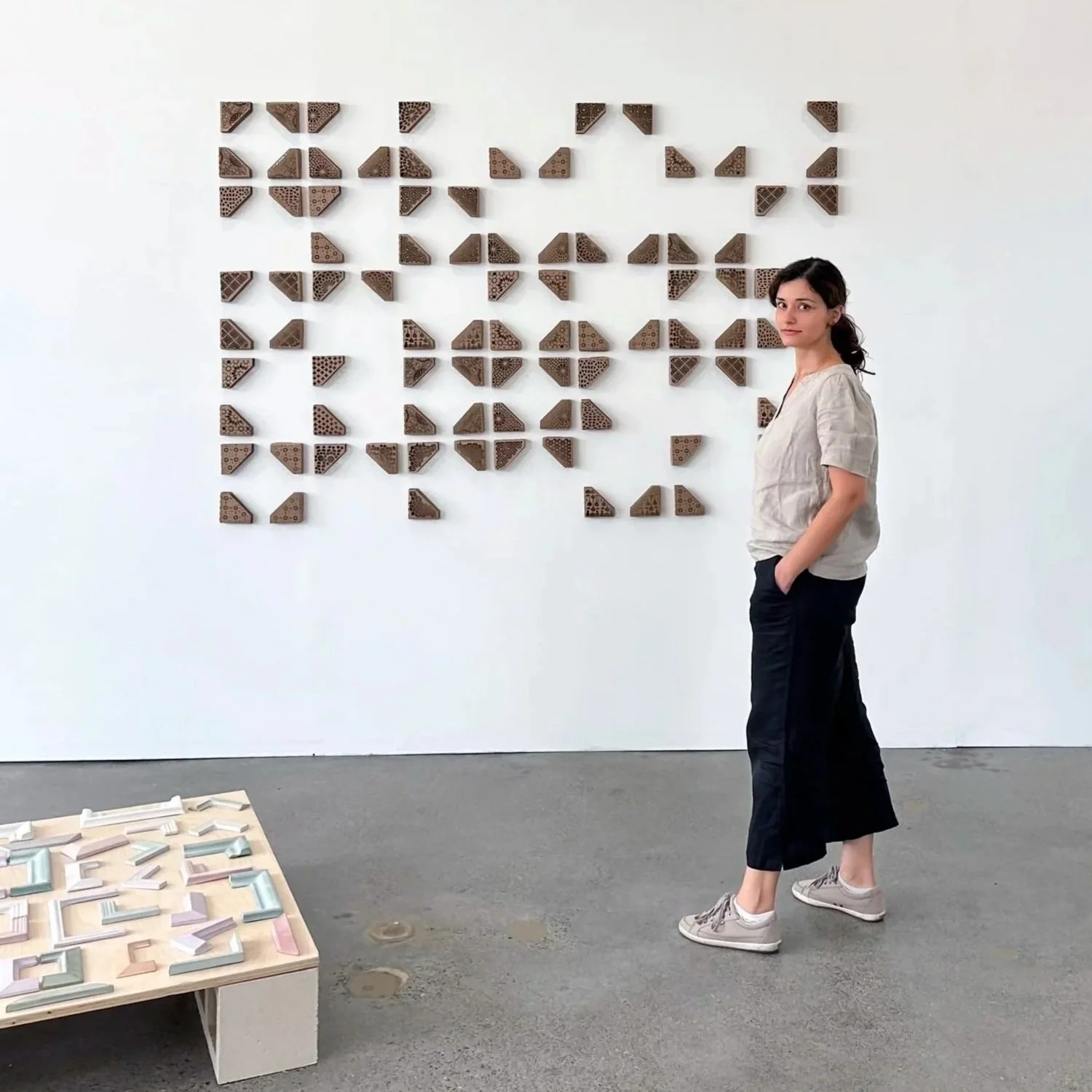
"Layered View" draws inspiration from windows, as architectural elements and as references to frames of images and screens. It borrows from found photographs of windows from several Iranian historical architectural sites that include Orosi windows. In these hand-crafted window structures, small pieces of colored glass set within wooden frames filter sunlight into patterns of color. In this project, these patterns are partially and imprecisely traced, laser-cut into handmade paper from recycled shipping boxes, and transformed into white matte acrylic in contrast to their original colorful materiality. They are then covered with reeded acrylic sheets and framed in unfinished wood, with architectural forms guiding their structures.