

End Cycle
Kim Smith Claudel
Oct 25-Dec 6, 2025
Reception: October 25, 3-5 pm
Artist Talk: December 6, 3pm
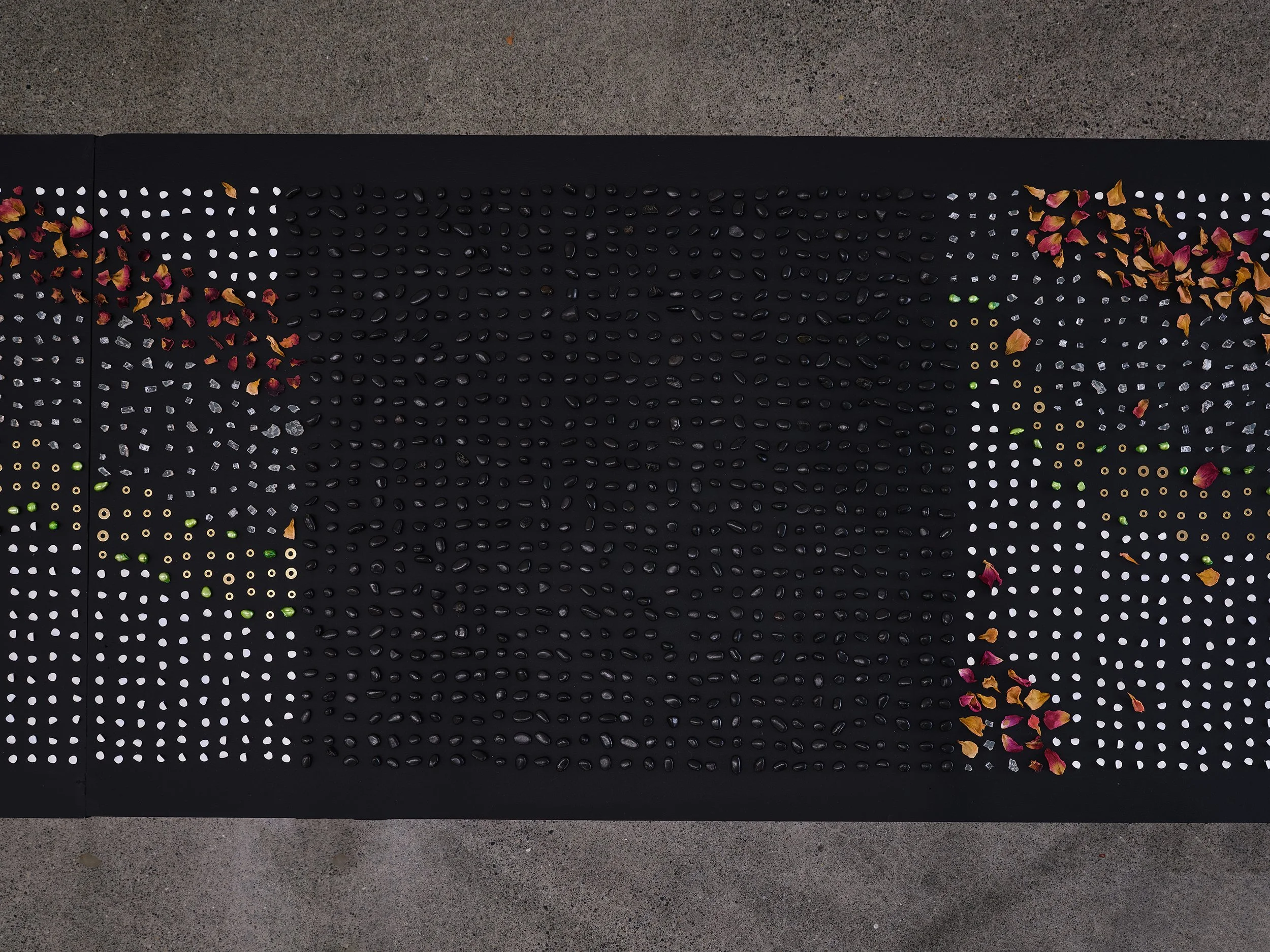

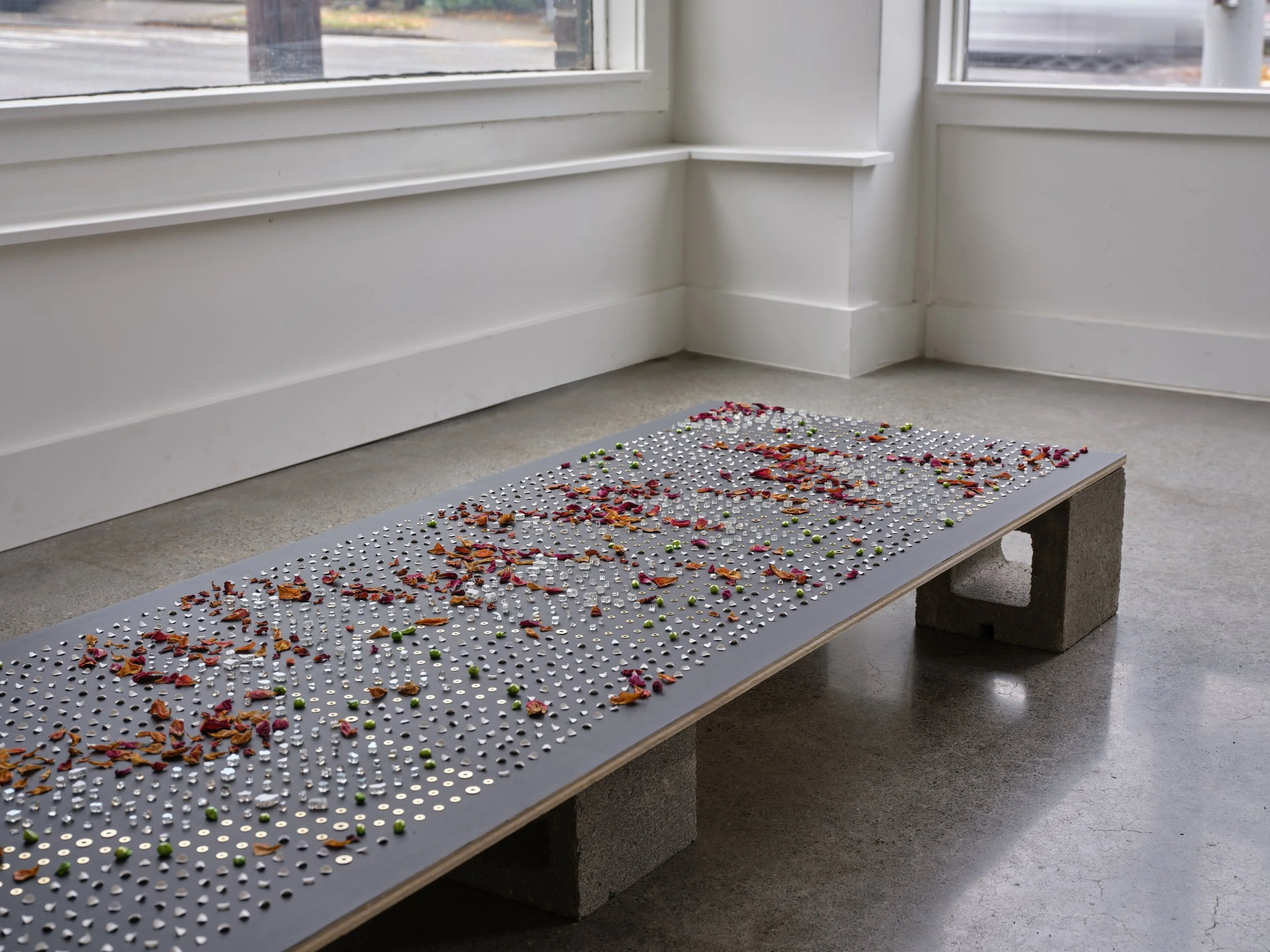
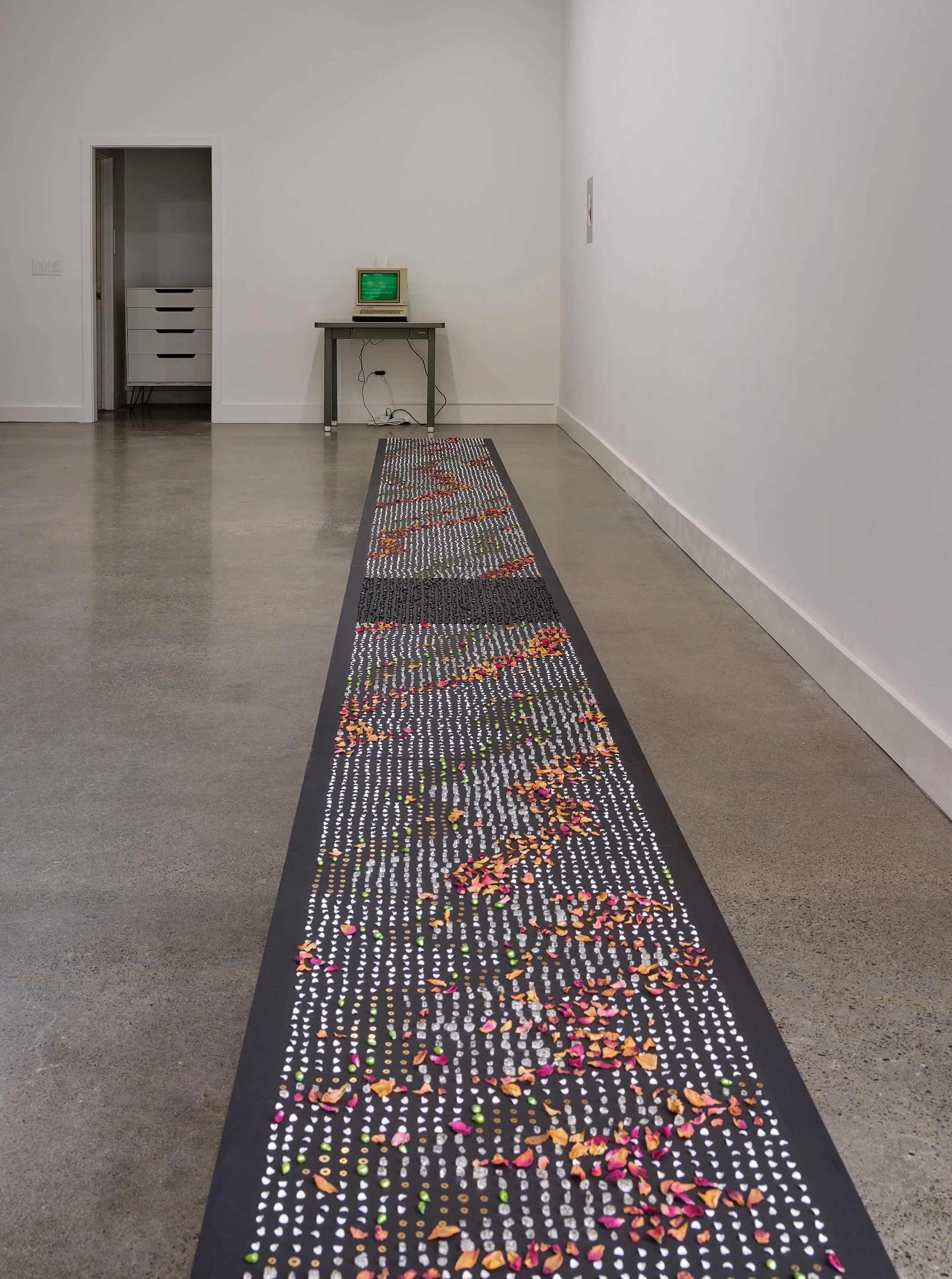
New work from interdisciplinary, Portland-based artist Kim Smith Claudel explores time through the framework of reproductive years—a personally tumultuous period of indecision in which the artist grapples with the complex choice of whether or not to have children.
From the Artist’s Statement…
“Some days I feel defective, at odds with my body's hardware and her programming. Wanting to want, waiting to want, or simply not wanting. She tries so hard, each month. But still, I carry on, suppressing this intent.
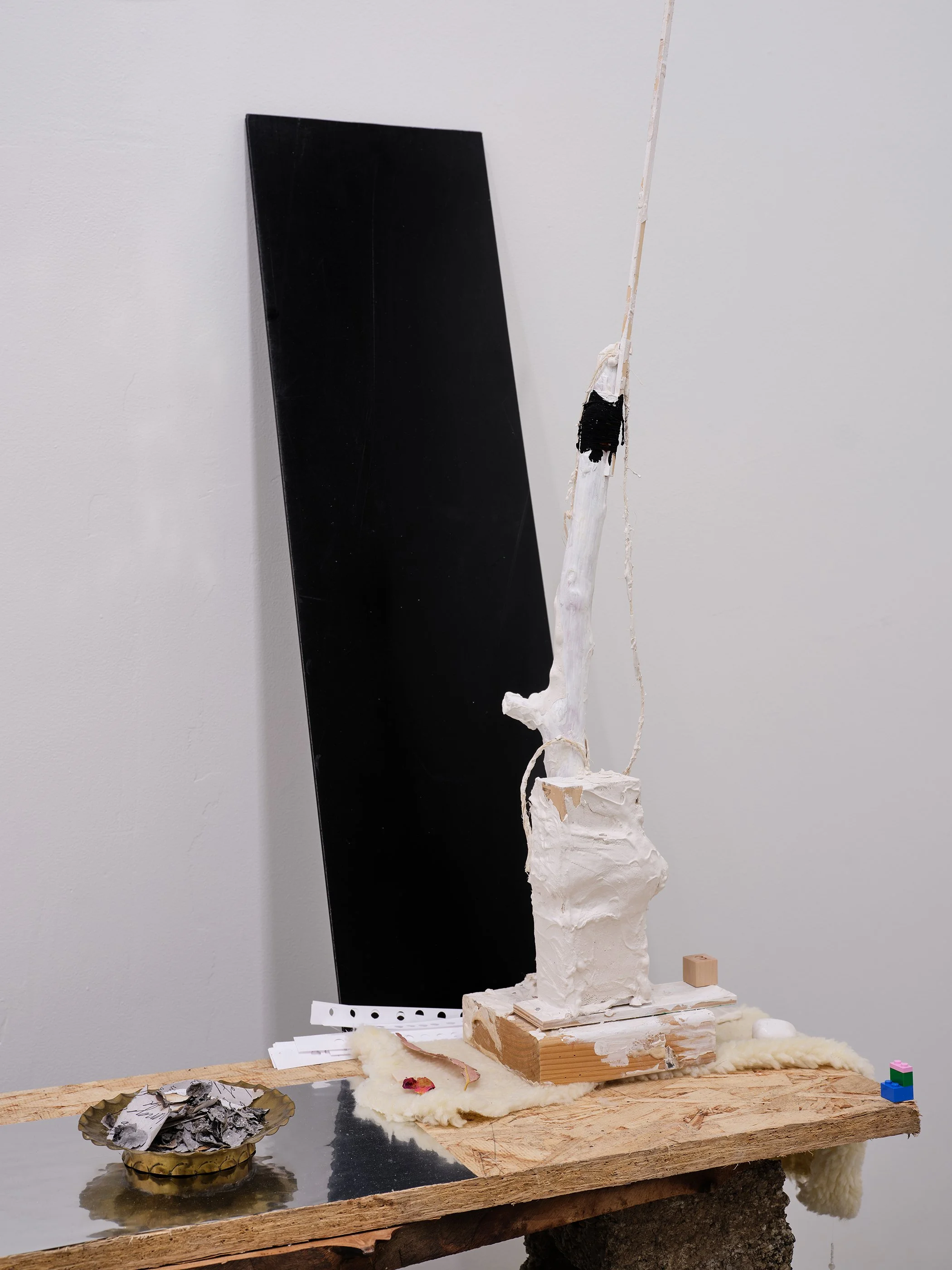
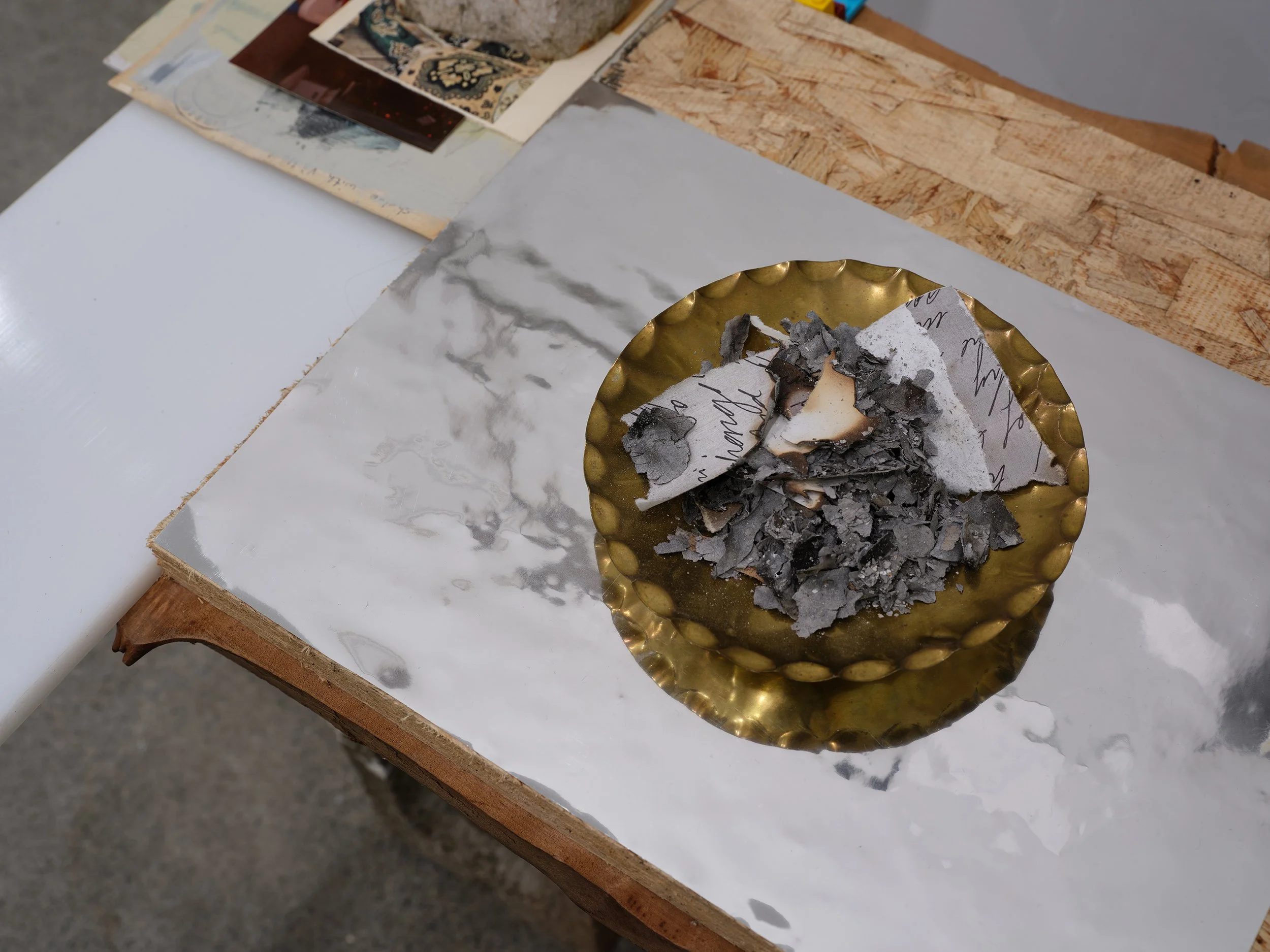
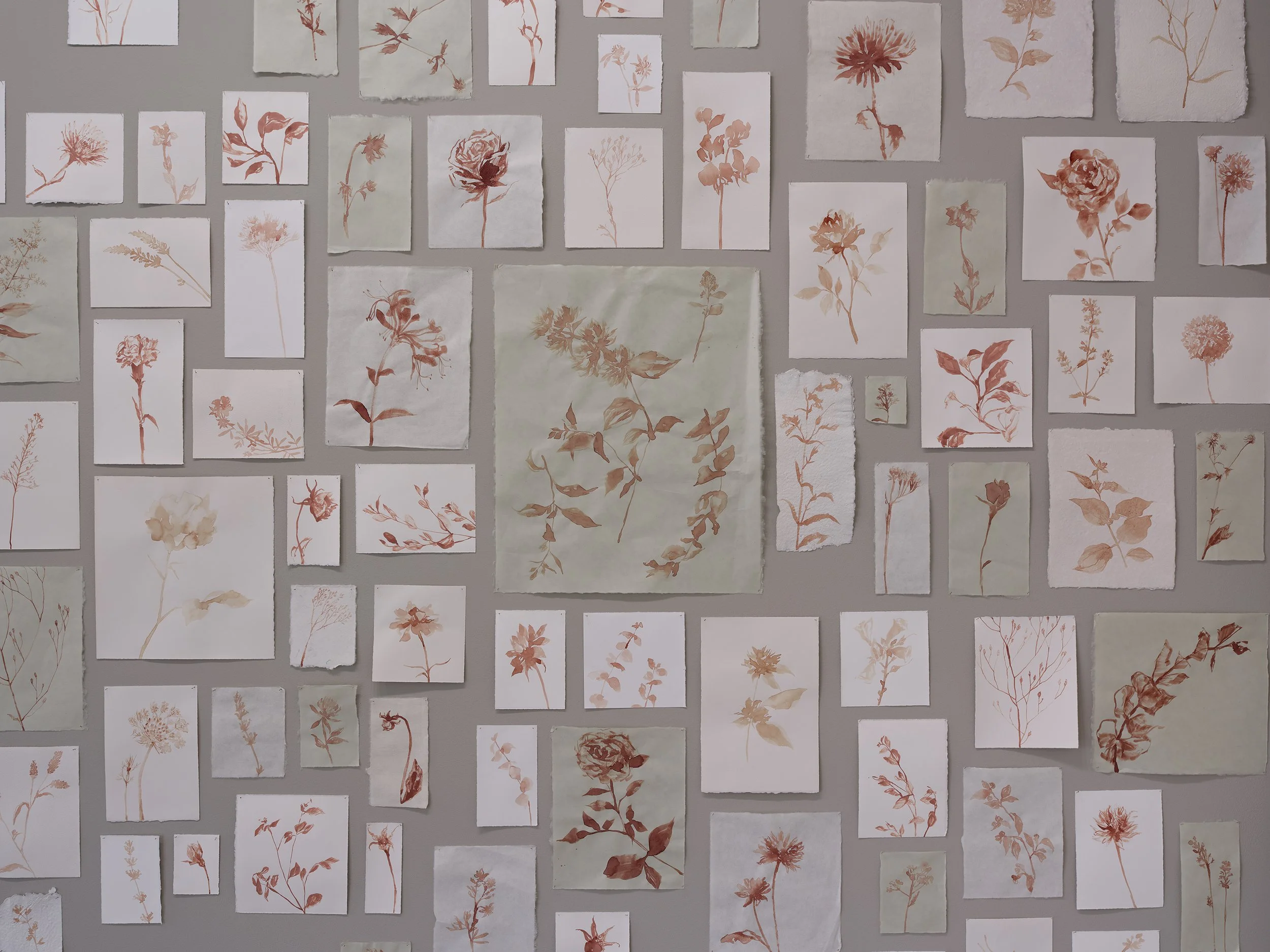
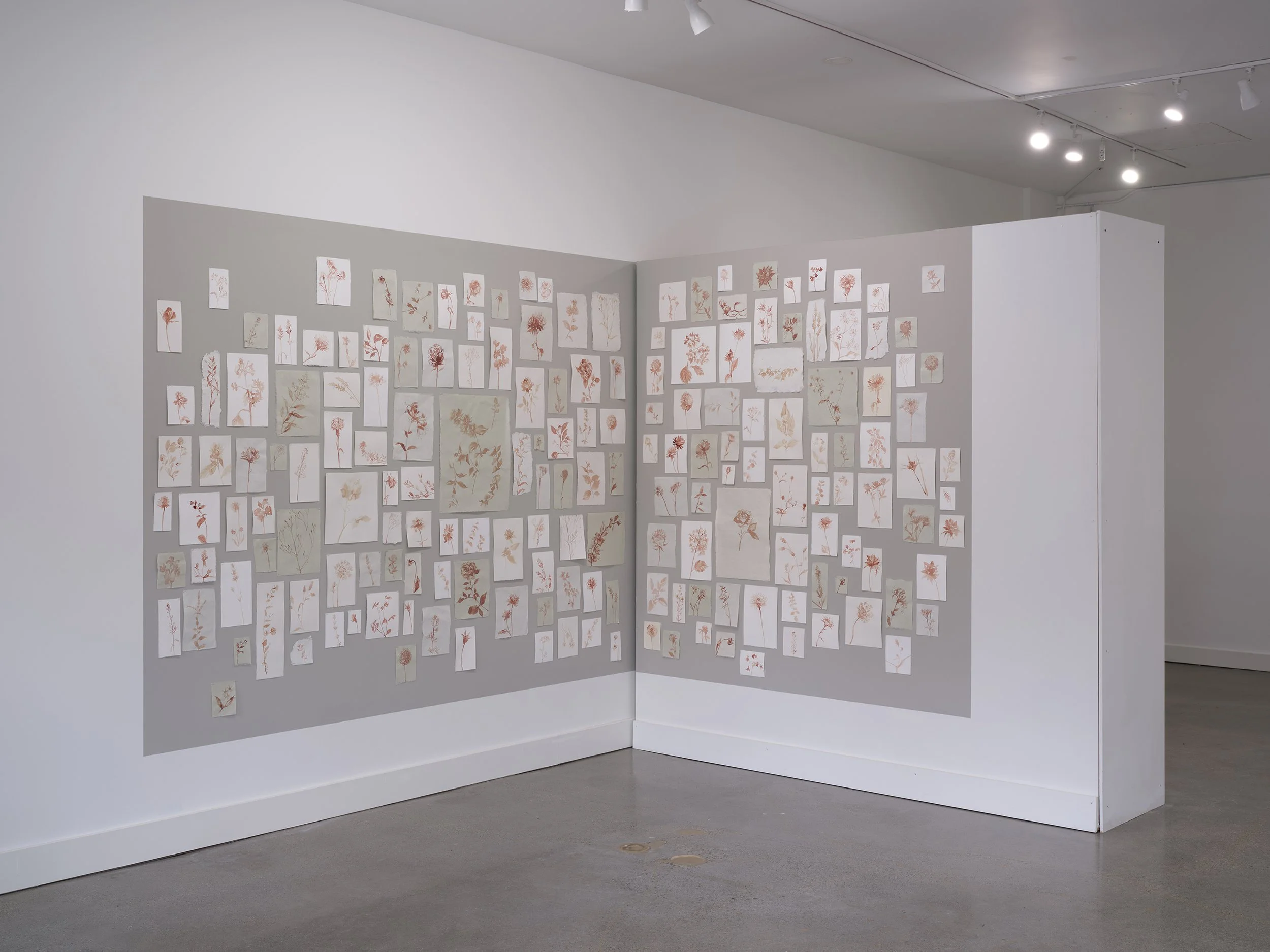
Placing the 10,861 days of my reproductive years—the petals and the stones, paper, pearls and brass—I feel the weight of its immensity, though I hold nothing to show for it and it could so quickly be swept away. The cycle is the backdrop of this tumultuous time, the always-present operating system I float like a wave. I feel the pattern changing; but what is beyond, I cannot know.”
- Kim Smith Claudel
Join us for Kim’s Artist Talk December 6, 3 pm to hear more

Reviewed in Variable West’s Washington Art Guide by Jade Ichimura
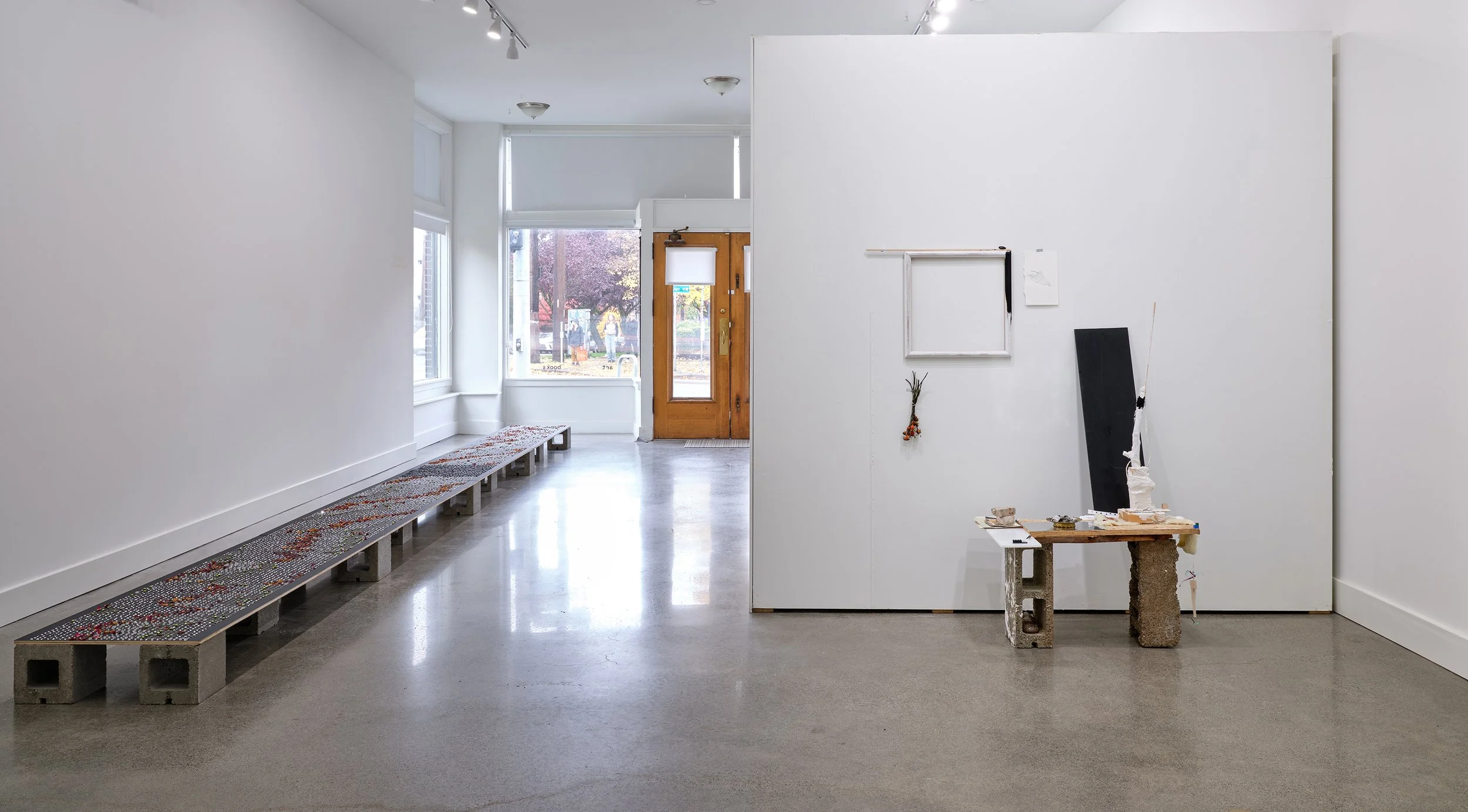
Curatorial Statement: On Measurement
“I am divided up in time, whose order I do not I know…” — Augustine of Hippo, The Confessions
Augustine attempts to measure time, to quantify it, to break it into parts. He tries to measure a song, then a poem, by searching for the smallest unit to measure these durational events. But it is duration itself that escapes. In the end, he concludes that time is what is extended over the present, past and future: he concludes that time is the self. The self is extension, as perception, from the past to the future. Later thinkers, circle back to Augustine’s description and call this self-as-time “the unity of living-through” or “the one asking the question of ‘who,’ the one defines itself as “concerned” with time.
Kim’s work, like Augustine’s, attempts to measures time in units. She lays out thousands of tiny pieces, so small we must lean close to observe them. Perhaps we feel we will catch sight of the most important thing in the smallest pieces. But the individual elements ask us also to look at the larger scale, the extension over time, the one who put out the pieces.
The reproductive body offers unique cues to reflect on time. In a body with a uterus, hormones daily change mood, capacity, experience. Each day the body morphs. That type of body demands a concern with time — and the identity of self over time.
The self, like the present, appears and disappears before it can be measured, marked on the calendar or quantified. Even with microscopic attention to the body, the self eludes examination. Augustine is a great philosopher not because he tell us what time is but because he rests in unknowing. Each section of his Confessions raises a question, then next raises it again in a new form. He struggles, but in the end, he is willing not to know.
Kim’s work stays in the same place of unknowing, circling around rather than concluding.
Photos by Stefan Gonzales Photography